

A film review often begins with what the director puts inside the frame. Immersive video adds another question: where did the viewer look? Before a headset screening, the Brain Dance reference at https://braindancevr.com/how-to-watch-in-vr offers a starting point for playback preparation. Once the presentation works, criticism can turn to the relationship between the scene, the audience’s attention and the meaning that emerges.
The useful comparison is not between an ordinary movie and an imagined upgrade that automatically makes it more powerful. A rectangular film viewed on a virtual screen still has a rectangular composition. A recorded scene that surrounds the viewer asks for a different kind of attention. An interactive work may add choices that change what happens. A reviewer should establish which of these experiences is actually being discussed before judging its achievements.
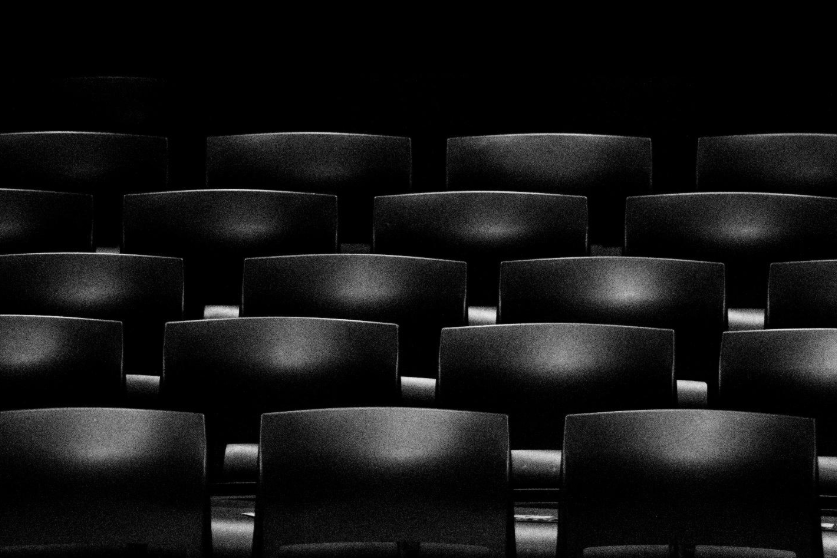
Photo: Elijah Flores, CC0, Wikimedia Commons.
Describe the viewer’s position
Start with a plain account of where the experience places its audience. Is the viewer sitting across from a character, watching from a doorway or occupying a position that no person in the story acknowledges? This description can reveal more than a general claim that a scene feels immersive. It explains the relationship the work invites the audience to have with its people and setting.
Position is also a dramatic choice. Imagine two characters arguing at a kitchen table. A conventional close-up can isolate one reaction at a chosen moment. A surrounding scene may leave both characters available to inspect. Following the speaker and watching the listener become two possible experiences of the same exchange. The critical question is how thoughtfully the scene supports those different paths through the performance.
Notice how attention is invited
Freedom to look does not mean that a filmmaker has abandoned direction. A sound, a gesture, a pause or a change in lighting can make one area of a scene more compelling than another. These invitations deserve the same close attention a reviewer might give to a camera movement or an edit. Describe the cue, then describe what it achieved during the screening.
It helps to distinguish discovery from confusion. Missing a background detail may make a second viewing rewarding. Missing the only information that explains a character’s decision may leave the story difficult to follow. Neither outcome follows automatically from a wide field of view. A useful review asks whether the scene accommodates an audience that is still learning where to direct its attention.
Treat a second viewing as a comparison
If another viewing is available, choose a specific question for it. Watch the listener during a conversation, follow activity near the edge of the first view, or pay attention to the moment when a sound suggests looking elsewhere. This gives the comparison a purpose. Simply hunting for everything that was missed can turn a dramatic experience into an inventory of objects.
Keep the first response in the review as well. The initial viewing may be the only one most readers have. An explanation that becomes clear after repeated inspection does not erase an awkward introduction. Conversely, a quiet scene that reveals a different emotional balance when watched again may deserve credit for the richness of its staging. The reviewer can describe both observations without pretending that everyone will look in the same direction.
Separate presentation problems from creative decisions
A review should identify the version and viewing conditions when they materially affect the judgment. For example, a small preview on a laptop does not reproduce the scale of a headset presentation. Unreadable subtitles or an incorrectly selected playback mode can also obstruct a fair assessment. Record such limitations clearly, particularly if the intended experience could not be tested.
The BFI’s beginner’s guide to virtual reality provides useful background on the distinction between recorded immersive films and interactive experiences. That vocabulary helps a critic describe the work accurately. It should not become a checklist demanding every possible feature. A seated recording can succeed through performance and staging, just as an interactive piece can fail to give its choices dramatic significance.
Evaluate what the perspective contributes
Once the viewing conditions are understood, return to the familiar concerns of criticism: character, rhythm, atmosphere, implication and emotional effect. Does sharing a space with a character change the scene’s tension? Does the audience’s position suggest intimacy, distance or responsibility? Is a pause meaningful, or does it merely leave the viewer searching for an event that has not arrived?
These questions keep a review from becoming a demonstration report. Describing the hardware may be necessary, but the equipment alone does not explain why a story matters. The most useful passages connect an observable decision to its consequence: an extended silence makes a room uncomfortable, a distant voice changes the focus of a conversation, or an unseen exit creates uncertainty about who might return.
Give readers a fair account of the encounter
End by identifying who may appreciate the experience and what kind of participation it asks of them. Some works reward patient observation; others depend on active exploration. Mention practical viewing limitations without turning personal preferences into universal rules. A reader should be able to understand both the critic’s response and the circumstances behind it.
Immersive film criticism does not need to discard the language of cinema. It needs to make room for the audience’s changing direction of attention. By explaining where the viewer is placed, how a scene invites them to look and what those choices contribute, a reviewer can offer something more valuable than a verdict on novelty: a precise account of how the work tells its story.