
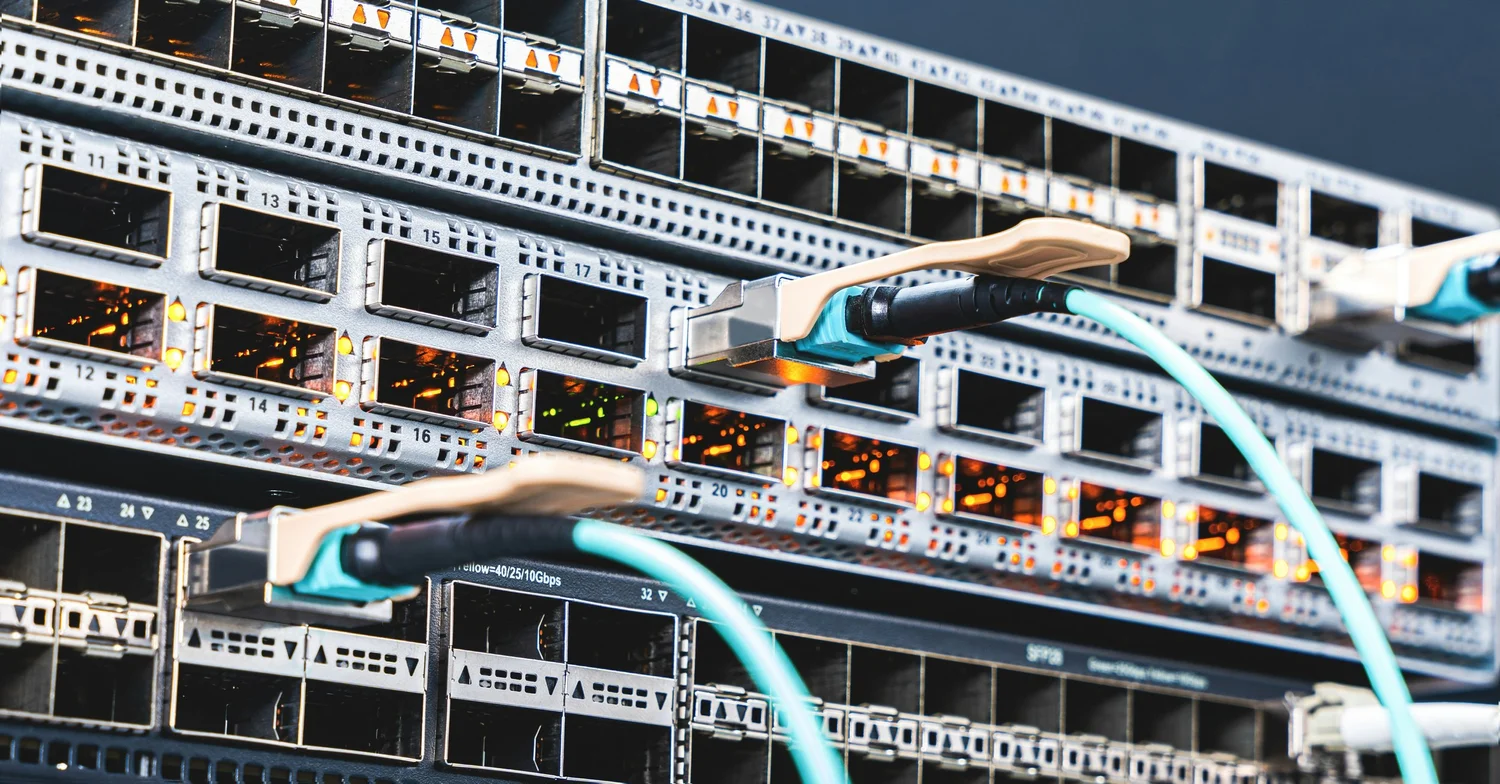

Photo by Lightsaber Collection on Unsplash
Introduction
The Cisco Certified Network Associate (CCNA) certification is one of the most respected credentials in the IT networking industry. Whether you are just beginning your networking career or looking to strengthen your technical skills, passing the Cisco 200-301 CCNA exam can open the door to a wide range of job opportunities. Employers around the world value this certification because it demonstrates a solid understanding of networking fundamentals, security, automation, and IP connectivity.
Preparing for the exam requires dedication, hands-on practice, and access to reliable study materials. With a structured study plan and the right resources, candidates can build the confidence needed to pass the exam on their first attempt.
What Is the Cisco 200-301 CCNA Exam?
The Cisco 200-301 exam is the certification test required to earn the Cisco Certified Network Associate (CCNA) credential. It validates foundational networking knowledge and practical skills required for entry-level and associate-level networking positions.
The exam covers a broad range of networking concepts including:
Network fundamentals
IP connectivity
IP services
Network security
Automation and programmability
Network access
Wireless networking
Because the exam combines both theoretical knowledge and practical understanding, candidates should focus on learning concepts rather than simply memorizing answers.
Why Earn the CCNA Certification?
Obtaining the CCNA certification offers several professional advantages.
Better Career Opportunities
Many companies require CCNA certification when hiring network engineers, IT support specialists, network administrators, and systems engineers.
Having this credential can help your resume stand out in a competitive job market.
Higher Salary Potential
Certified professionals often qualify for higher-paying positions because employers recognize their verified technical skills.
Although salary varies by country and experience level, CCNA certification can significantly improve earning potential.
Strong Networking Foundation
Even professionals planning to specialize in cybersecurity, cloud computing, or network automation benefit from mastering networking fundamentals through the CCNA curriculum.
The knowledge gained serves as a foundation for many advanced certifications.
Topics Covered in the Cisco 200-301 Exam
Understanding the exam objectives helps candidates create an effective study plan.
Network Fundamentals
Candidates should understand:
OSI model
TCP/IP model
IPv4 and IPv6 addressing
Network devices
Ethernet concepts
Cabling standards
These concepts form the basis for all networking technologies.
Network Access
This section focuses on:
VLANs
Switching concepts
Wireless architectures
Access points
Layer 2 connectivity
Practical lab experience is particularly valuable for mastering these topics.
IP Connectivity
Routing is one of the most important sections of the exam.
Candidates should study:
Static routing
Dynamic routing
OSPF fundamentals
Route selection
IP addressing
Understanding how data moves through networks is essential for success.
IP Services
This domain includes:
DHCP
DNS
NAT
NTP
QoS
SNMP
These services support the operation and management of modern enterprise networks.
Security Fundamentals
Security continues to play a critical role in networking.
Candidates should understand:
Access Control Lists (ACLs)
VPN basics
Device security
Authentication
Password policies
Wireless security
Automation and Programmability
Modern networks increasingly rely on automation technologies.
Candidates should become familiar with:
REST APIs
JSON
Software-defined networking (SDN)
Controller-based networking
Although this section is introductory, it reflects current networking trends.
Creating an Effective Study Plan
Passing the CCNA exam requires consistent preparation.
A structured study plan may include:
Reading official study guides
Watching training videos
Practicing subnetting daily
Building virtual labs
Taking practice exams
Reviewing weak areas regularly
Studying a little every day is generally more effective than trying to learn everything in a few weeks.
Importance of Hands-On Practice
Networking is a practical skill.
Candidates should gain experience using tools such as:
Cisco Packet Tracer
GNS3
Cisco Modeling Labs
Physical Cisco routers and switches
Building networks, configuring devices, and troubleshooting problems provide valuable experience that supports exam success.
Practice Exams Improve Confidence
Practice exams help candidates:
Understand question formats
Improve time management
Identify weak topics
Build exam confidence
Rather than focusing only on scores, candidates should carefully review explanations for both correct and incorrect answers.
Many candidates supplement their preparation with trusted study resources like Exam Collection, which offers materials designed to help learners better understand the Cisco 200-301 exam objectives and assess their readiness before taking the certification exam.
Common Mistakes to Avoid
Many candidates make avoidable mistakes during preparation.
Some of the most common include:
Memorizing Without Understanding
Networking requires conceptual understanding.
Instead of memorizing answers, focus on learning how technologies work together.
Ignoring Practical Labs
Hands-on configuration reinforces theoretical concepts.
Candidates who skip labs often struggle with troubleshooting questions.
Studying Inconsistently
Consistency produces better results than occasional long study sessions.
Even one or two hours each day can produce significant progress over several months.
Skipping Weak Topics
It is tempting to focus only on favorite subjects.
However, balanced preparation across every exam domain increases the likelihood of passing.
Tips for Exam Day
To maximize your performance:
Get adequate sleep the night before.
Arrive early if taking the exam at a testing center.
Read every question carefully.
Eliminate obviously incorrect answers.
Manage your time wisely.
Stay calm if you encounter difficult questions.
Review flagged questions if time allows.
Confidence and preparation work together to produce the best results.
Career Paths After CCNA
Passing the Cisco 200-301 exam can qualify professionals for several roles, including:
Network Administrator
Network Support Engineer
IT Support Specialist
Systems Administrator
Junior Network Engineer
Help Desk Engineer
Technical Support Engineer
Many professionals continue their learning journey by pursuing advanced Cisco certifications after earning the CCNA.
Frequently Asked Questions (FAQs)
What is the Cisco 200-301 exam?
The Cisco 200-301 exam is the certification test required to earn the Cisco Certified Network Associate (CCNA) credential. It validates foundational networking knowledge and practical skills.
Is the CCNA certification difficult?
The exam can be challenging because it covers a wide range of networking topics. With consistent study, hands-on practice, and quality learning resources, many candidates successfully pass it.
How long should I study for the CCNA exam?
Study time varies depending on your experience. Beginners often spend several months preparing, while experienced networking professionals may require less time.
Is hands-on practice necessary?
Yes. Practical experience with networking devices or simulators helps reinforce theoretical concepts and improves troubleshooting skills.
Can practice exams help me prepare?
Yes. Practice exams help candidates become familiar with the exam format, identify weak areas, and improve confidence before taking the official certification exam.
Conclusion
The Cisco 200-301 CCNA certification remains one of the most valuable credentials for individuals pursuing a career in networking. It provides a strong foundation in networking concepts, security, IP services, and automation while demonstrating technical competence to employers worldwide.
Success in the exam depends on consistent study, hands-on practice, and using reliable preparation resources. By following a structured learning plan and reinforcing concepts through practical experience, candidates can improve their confidence and increase their chances of passing the exam. Resources such as Exam Collection can further support exam preparation by providing study materials that complement a comprehensive learning strategy.