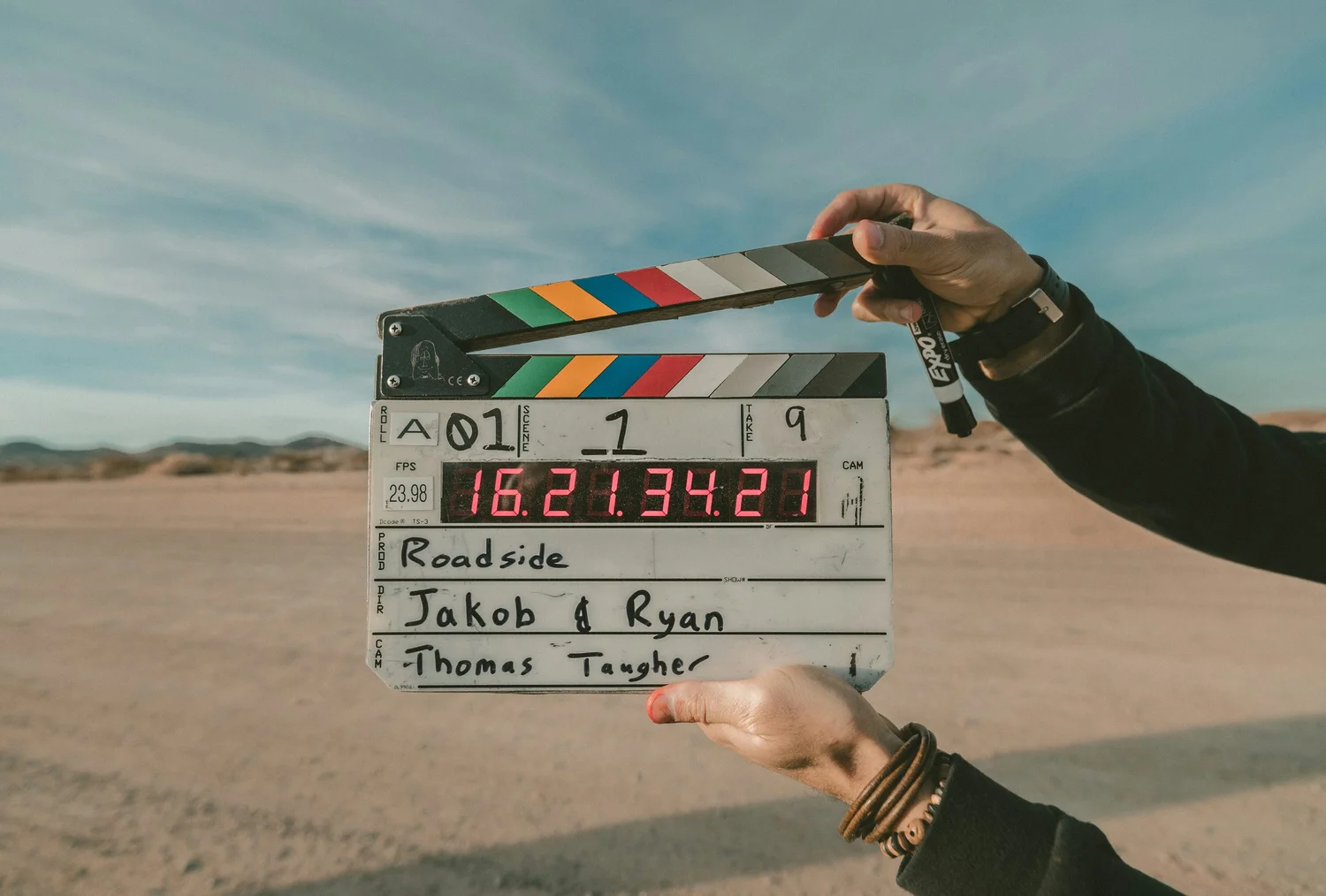

Image: Clap board roadside Jakob and Ryan photo – Free Man Image on Unsplash
When we think about our favorite movies, we often remember the iconic characters, the memorable lines, and the thrilling plot twists. But what about the world they live in? A film’s setting is much more than just a backdrop for the action. It’s a silent storyteller, shaping the mood, defining the characters, and driving the story forward in ways we might not even consciously notice. From the sprawling deserts of a space opera to the cramped confines of a single room, where a story takes place is a fundamental part of cinematic storytelling.
Beyond the Backdrop
Every setting comes with its own built-in information. A gleaming, minimalist apartment tells us something different about a character than a cluttered, lived-in cottage. The choice of location immediately sets the scene, offering clues about the time period, the characters’ financial situation, and the culture they live in. Think about the huge difference between the wealthy Park family’s home and the Kim family’s semi-basement apartment in Parasite. The way each home is built and where it’s located says a lot about class and ambition before any character even explains their situation. The setting becomes a key part of the film’s main ideas.
The Search for the Perfect Scene
Finding a location that perfectly matches a script’s vision is a huge job. A director might have a specific type of house, street, or landscape in mind, but turning that idea into a real place to film is a complex puzzle. This process, called location scouting, means looking for places that not only look right but are also practical for a film crew to work in. Many productions work with a professional location agency to make this search easier. These experts have huge databases of properties and know how to get access, secure permits, and manage the relationship between property owners and the production team, making sure the perfect scene can be filmed.
Locations as Characters Themselves
In some films, the setting goes beyond just being an environment and becomes a character in itself. It has a presence, an influence, and sometimes even a personality that affects everyone who enters it. The Overlook Hotel in The Shining is probably the most famous example; it’s a bad force that actively corrupts the people in it. On a different note, New York City in films like When Harry Met Sally… acts as a romantic, ever-present third party in the characters’ relationship, its changing seasons reflecting their emotional journey. These settings are so important that the story couldn’t happen the same way anywhere else, making them a key part of the overall cinematic storytelling.
Crafting Mood and Atmosphere
A location is one of the most powerful tools for setting a film’s mood. The visual design of a space, its colors, lighting, and how well-kept it is, all work together to make the audience feel a certain way. The dark, rainy, neon-lit streets of Blade Runner create an atmosphere of futuristic decay and sadness. On the other hand, the sunny, vibrant landscapes of Italy in Call Me By Your Name create a feeling of perfect summer romance and discovery. Filmmakers carefully choose and change locations to build a consistent tone that supports the emotional heart of the narrative in moving pictures.
When Reality Inspires Fiction
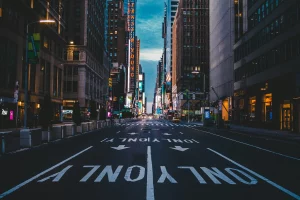
While some filmmakers build entire worlds from scratch, many find inspiration in real places. Shooting on location gives a film a powerful sense of authenticity and texture that can be hard to create on a soundstage. When a story is deeply connected to a specific city or region, using that actual place as the setting connects the fictional story to a real reality. Martin Scorsese’s films are tied to the streets of New York City, just as the story of Nomadland is linked to the real landscapes of the American West. These real-world settings bring with them a history and a soul that enriches the story and makes the characters feel real.
The next time you watch a film, take a moment to look past the actors and appreciate the world around them. The choices made about where a story is set are as deliberate and meaningful as any line of dialogue or camera movement, proving that in cinema, place is poetry.