
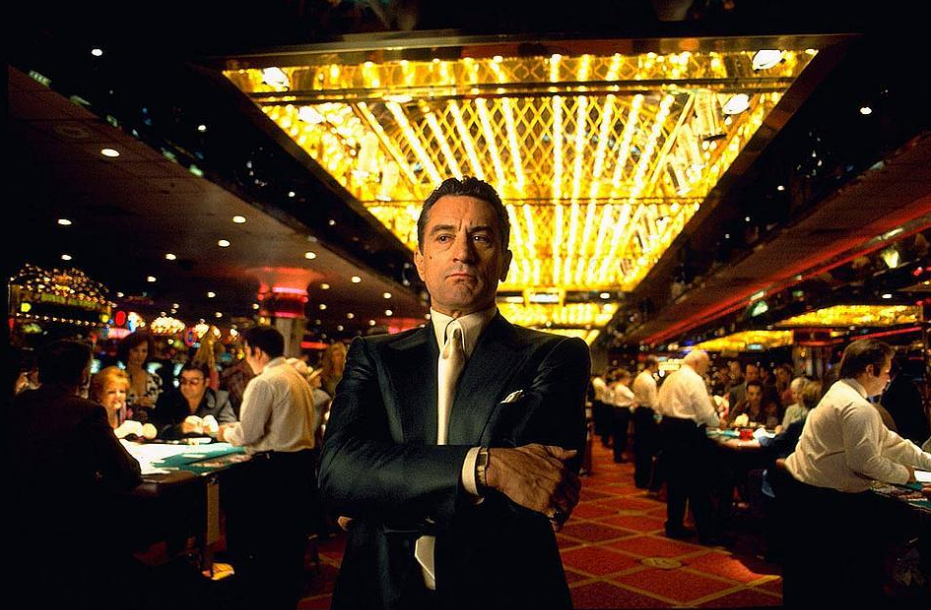

A big casino win in a movie is rarely just about money. On screen, the jackpot, poker pot, blackjack run, or vault score usually reveals something deeper about the character holding the cards. The moment tests discipline, ego, fear, loyalty, and the dangerous belief that one perfect decision can change everything.
That is why casino films remain so watchable for U.S. audiences. They compress a complicated world of probability, spectacle, rules, and temptation into a few cinematic minutes. Outside the movie frame, the same fascination often turns into a quieter search for lower-pressure ways to explore casino-style entertainment, where resources such as crown coins casino bonuses can feel less like a shortcut to a huge win and more like a way to understand the surrounding gaming culture. Films work differently: they turn risk into story rather than instruction.
Why the Big Win Works So Well on Screen
Movies understand that a big win needs more than a number. It needs pressure. A character must want something badly enough that the casino floor starts to feel like a moral laboratory.
In Rain Man, the Las Vegas blackjack sequence matters because it changes the relationship between the brothers. The win is not only a clever card-counting beat. It forces Charlie to see Raymond as a person with agency, not merely as a problem to solve.
In Ocean’s Eleven, the “win” is not a lucky spin or a single hand. It is a coordinated heist built like a magic trick. The audience enjoys the score because every moving piece has been planted in advance, from distraction to disguise to timing.
That is the first lesson: casino movies make wins satisfying when the payoff feels earned inside the story. Luck may be present, but structure gives the moment emotional weight.
Luck, Skill, Timing, and Consequence
The most memorable casino-film wins usually combine four ingredients: luck, skill, timing, and consequence. Remove one, and the scene becomes flatter.
This table explains why a film like Casino does not treat the casino as a simple prize machine. Martin Scorsese’s story uses Las Vegas as a system of control, status, surveillance, greed, and decline. The wins are part of a larger machinery, and the machinery always wants something back.
That is also why purely random jackpots can be difficult to dramatize. A character simply getting lucky may create excitement for a minute, but cinema needs pressure before and after the event. Without consequence, the scene becomes decoration.
The Blackjack Fantasy: Why Counting Cards Became Cinematic
Blackjack has a special place in casino movies because it feels understandable. Viewers may not know every rule, but they can follow the basic idea: memory, numbers, pressure, and a dealer waiting across the table. That makes the game useful for filmmakers.
21 leaned directly into this appeal by building its premise around MIT students using card counting in Las Vegas. The film version turns statistical discipline into a coming-of-age temptation story. The more the characters win, the less the story is about math and the more it becomes about identity.
This is an important distinction. In real casino environments, games are governed by rules, house advantage, state regulation, and operator controls. In cinema, those systems are compressed into faces, glances, chips, music, and the single moment when someone decides whether to continue.
The movie lesson is not “smart people beat casinos.” The stronger lesson is that skill can become risky when confidence turns into overreach.
Poker Wins Feel Different Because People Are the Game
Poker scenes work differently from slot or blackjack scenes. The suspense comes less from the mechanism and more from human reading. A poker win asks the audience to judge silence, posture, speech, hesitation, and the gap between what a player shows and what they know.
That is why Molly’s Game feels less like a traditional casino story and more like a study of power rooms. The big money matters, but the real tension sits in access, reputation, control, and the emotional economy around the table. The cards are visible only part of the time. The social hierarchy is always visible.
Poker films also make big wins feel morally complicated. A player can win a pot and lose trust. A host can gain influence and lose safety. A room can look glamorous while quietly becoming unstable.
For readers, that is the practical viewing lesson: when a film shows a huge poker hand, pay attention to who changes after the hand ends. The chips are only the surface.
The U.S. Casino Setting: Spectacle With Rules Behind It
U.SThat is why the strongest stories do not end at the moment of victory. They ask what the win does to the person who receives it.. casino films often use Las Vegas because the city already looks cinematic. Neon, carpets, table lights, surveillance rooms, hotel corridors, and showrooms give directors a ready-made visual language. But the screen version of a casino is still selective.
A movie can make risk feel sleek, musical, and concentrated. Real gaming environments operate inside state-specific rules, age restrictions, licensing systems, and responsible gaming requirements. That background rarely gets much screen time because regulation is not as visually sharp as a close-up of a final card.
Still, the rules matter for how viewers interpret casino stories. The most mature casino films understand that the building is not neutral. It is designed to manage attention, movement, time, and appetite.
What Viewers Can Learn From Casino-Movie Wins
The useful lesson from casino films is not how to chase a big win. It is how to read the fantasy.
A thoughtful viewer can watch these scenes through a simple checklist:
What does the character think the money will solve?
The answer usually reveals the emotional engine of the film.
Is the win based on luck, skill, or manipulation?
The mix tells you whether the film is building suspense, admiration, or warning.
Who pays the hidden cost?
Casino stories often shift the bill to friendships, families, reputations, or freedom.
Does the character know when to stop?
This is often the clearest line between composure and collapse.
What changes after the win?
A strong film uses victory as a door, not a finish line.
These questions turn casino films into more than entertainment. They become lessons in judgment, restraint, and the stories people tell themselves when risk appears to offer a shortcut.
The Real Lesson Behind the Jackpot
Casino films love the big win because it is visually clean. Chips stack up. A crowd reacts. Music rises. A character gets the thing they thought they wanted.
The better films know that this is only the middle of the lesson. A jackpot can expose greed. A perfect hand can reveal loneliness. A heist can become a test of loyalty. A run of luck can tempt someone into mistaking momentum for control.
That is the anatomy of a big win in cinema: not money alone, but pressure made visible. The win matters because it asks the oldest movie question in a casino-shaped room: what happens when a character finally gets a chance to become who they already are?