
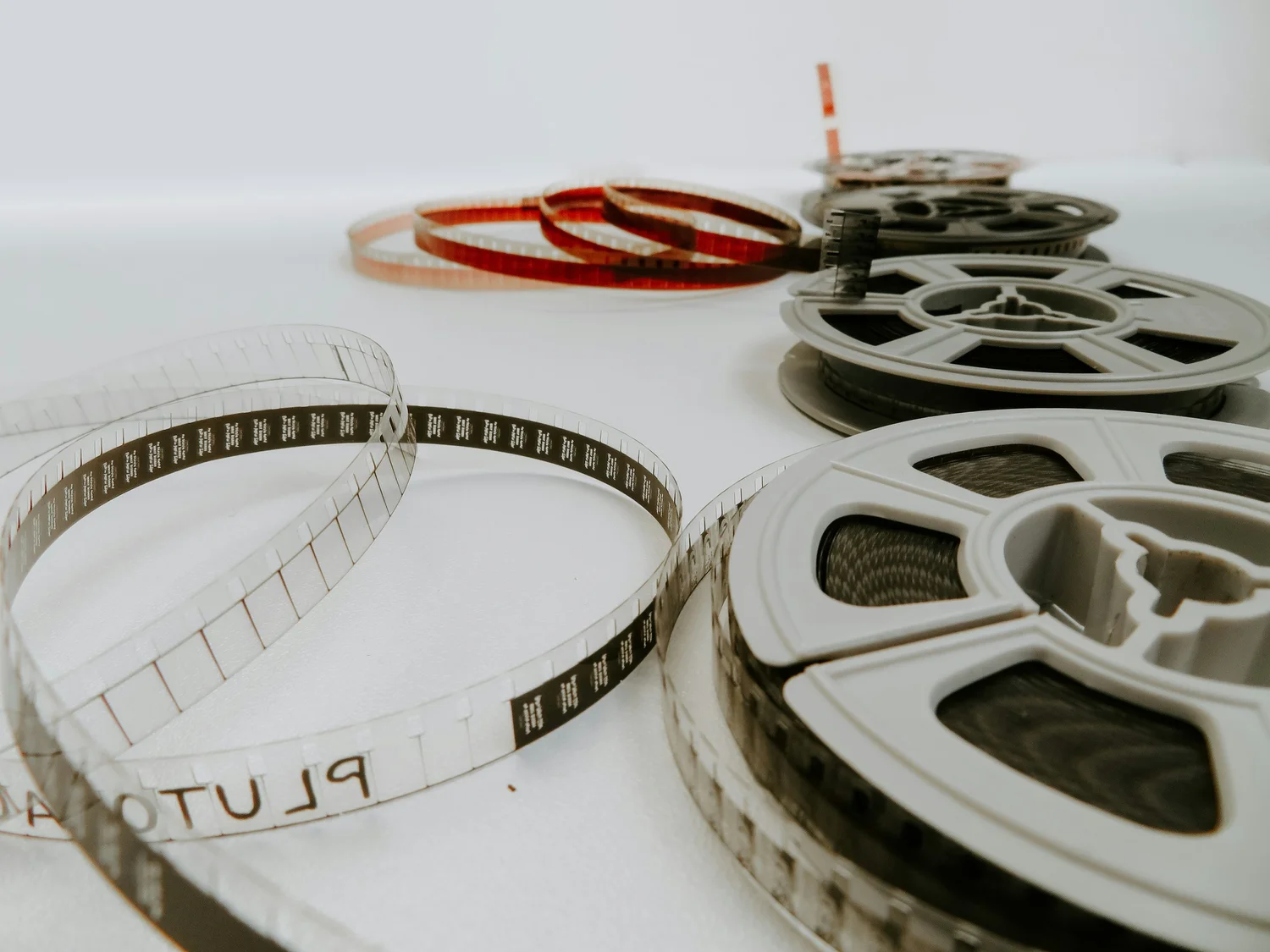

Image: https://unsplash.com/photos/four-reel-films-lying-on-white-table-Lq6rcifGjOU
by Nancy Fernandez
When audiences watch a film, they are transported into carefully crafted worlds filled with memorable characters, immersive settings, and striking visuals. Every sword, futuristic gadget, royal gown, or superhero suit seen on screen is the result of countless hours of planning and production. While directors and designers often receive the spotlight, there is an entire ecosystem working behind the scenes to make these visual elements believable. One of the most important yet overlooked contributors to this process is the manufacturing support system that brings props and costumes from concept to reality.
At the core of this system is contract manufacturing, a production model that allows film studios and costume designers to outsource the creation of props and wardrobe pieces to specialized manufacturers. Instead of producing everything internally, studios collaborate with expert partners who can deliver high-quality items at scale, within tight deadlines, and according to exact design specifications.
What Contract Manufacturing Means for the Film Industry
In simple terms, contract manufacturing involves hiring an external company to produce goods based on a client’s design and requirements. In the film industry, this approach is especially valuable because each production has unique creative needs, fluctuating demand, and strict time constraints. Manufacturers may be tasked with producing anything from armor and accessories to footwear, textiles, or wearable technology.
This model allows creative teams to focus on storytelling and visual direction while leaving the technical execution to professionals who specialize in materials, machinery, and production logistics.
Why Film Studios Rely on External Manufacturers
Tight Production Schedules
Film production timelines are unforgiving. Once filming begins, any delay in costume or prop availability can halt an entire shoot. External manufacturers are equipped to handle rapid production cycles and large orders, ensuring that items are delivered on time and ready for use.
Access to Specialized Skills
Props and costumes often require advanced techniques such as molding, metalwork, embroidery, leather crafting, or digital fabrication. Maintaining all of these capabilities in-house would be costly and inefficient. Manufacturing partners already have the expertise, tools, and skilled labor needed to execute complex designs with precision.
Cost Efficiency and Scalability
Big-budget films frequently require multiple versions of the same costume—hero pieces, stunt versions, backups, and duplicates for different scenes. Contract manufacturers are well suited to scale production while maintaining consistency, helping studios manage budgets without compromising quality.
Manufacturing Film Props: From Concept to Camera
Props are essential storytelling tools. Whether it’s a magical artifact, a futuristic weapon, or a simple household item from a specific era, props must look authentic and function safely on set. Manufacturers work closely with prop masters to determine the right materials, finishes, and construction methods.
Often, a prototype is created first and reviewed by the creative team. Once approved, manufacturers produce multiple copies, adjusting durability and weight depending on whether the prop will be used for close-ups or action sequences. This balance between aesthetics and practicality is a defining feature of professional prop manufacturing.
Costume Production at Scale
Costumes present a unique set of challenges. They must visually align with the story, fit performers comfortably, and withstand long shooting days. Contract manufacturers support costume departments by handling bulk production, textile sourcing, pattern grading, and specialized treatments such as distressing or aging.
In historical films, manufacturers may replicate traditional fabrics and tailoring techniques to maintain authenticity. In science fiction or fantasy productions, they may create custom materials that appear metallic or armored while remaining flexible and lightweight for performers.
Collaboration Between Designers and Manufacturers
Successful outcomes depend on close collaboration. Costume designers and production designers provide sketches, reference images, and sometimes digital models. Manufacturers then translate these concepts into physical products, offering feedback on feasibility, durability, and cost.
Modern technology has further enhanced this process. Tools like 3D modeling, digital sampling, and rapid prototyping allow teams to identify issues early, refine designs quickly, and reduce waste.
Quality Control and Confidentiality
Film productions operate under strict quality and security standards. Any flaw visible on camera can disrupt continuity or require expensive reshoots. Manufacturers implement rigorous quality control checks to ensure each item meets the production’s expectations.
Confidentiality is equally critical. Designs, scripts, and character details must be protected to avoid leaks. Reputable manufacturers follow strict non-disclosure agreements and secure production processes to safeguard sensitive information.
The Future of Manufacturing in Film Production
As film projects become more ambitious and global, the role of contract manufacturing continues to expand. International production networks allow studios to source materials and expertise from around the world, increasing efficiency and creative flexibility.
Sustainability is also becoming a key focus. Many manufacturers are adopting eco-friendly materials, reducing waste, and implementing ethical labor practices, aligning with the film industry’s broader push toward responsible production.
Conclusion
The magic of cinema is built not only on creativity but also on collaboration and craftsmanship. Behind every memorable prop and iconic costume is a carefully coordinated manufacturing effort that turns imagination into reality. Contract manufacturing enables filmmakers to meet demanding schedules, manage costs, and achieve stunning visual results without compromising their creative vision.
While these efforts remain largely invisible to audiences, they are essential to the stories that captivate viewers worldwide—quietly shaping the worlds we see on screen.