
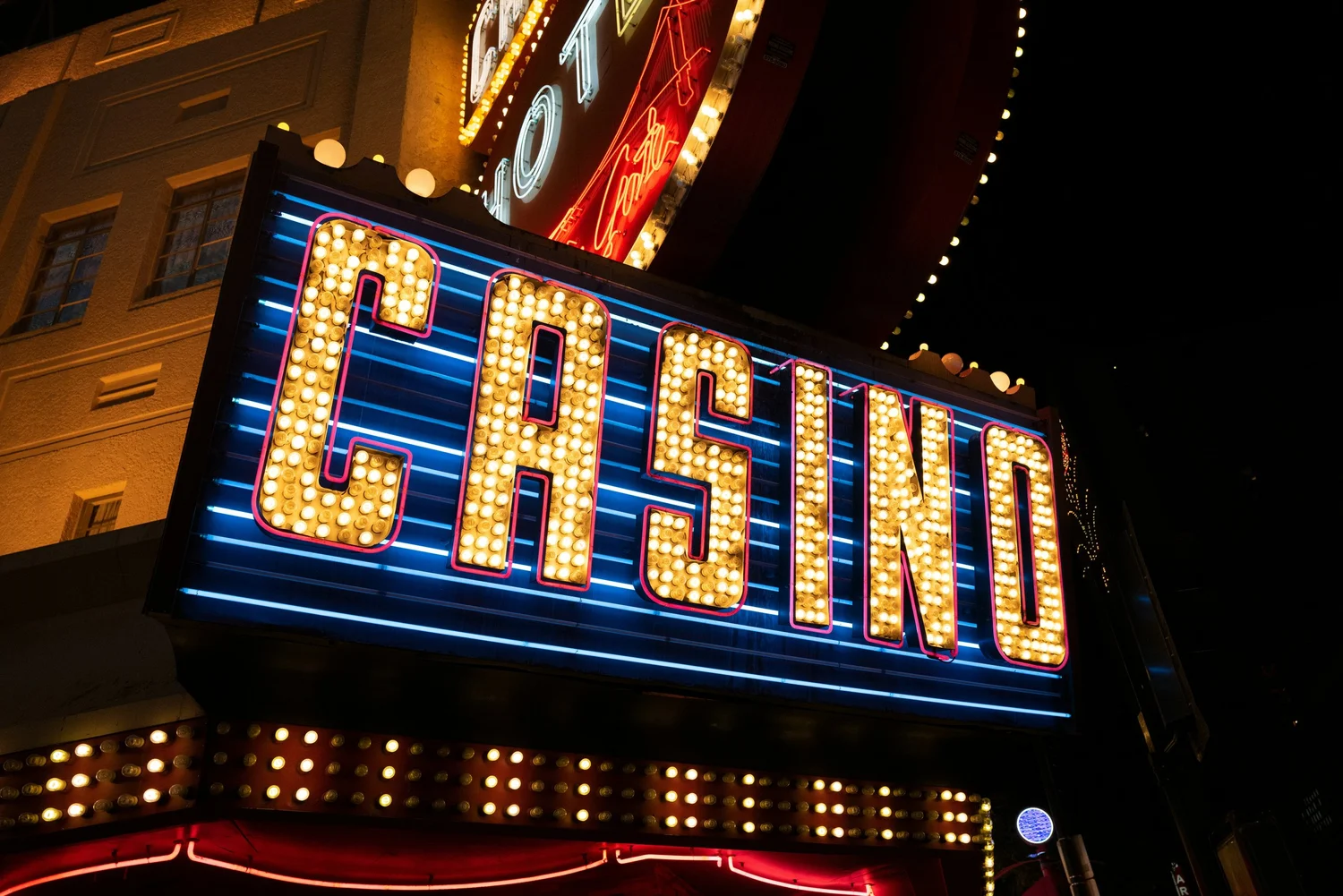

Image: A building with neon signs photo – Free Neon Image on Unsplash
Casino movies have always had a strange pull. They promise glamour, danger, easy money, and the thrill of watching someone make a choice they may regret five minutes later. A good gambling film is rarely just about cards, dice, or chips stacked under soft light. It is usually about pride, control, temptation, and the way people behave when chance sits across the table.
That is why casino films fit so well into a site built around lessons from movies. The casino floor is one of cinema’s best classrooms. No one gives a lecture, but the message lands anyway: luck can open a door, skill can keep it open for a while, and greed can slam it shut.
Below are some of the best casino films to watch not only for entertainment, but for what they say about risk.
Casino: The House Always Has a Memory
Martin Scorsese’s Casino is not subtle, and it does not need to be. The film turns Las Vegas into a glittering machine, then shows the gears grinding underneath. Robert De Niro’s Sam “Ace” Rothstein is not a reckless gambler. He is careful, sharp, and disciplined. That makes his fall more interesting.
The lesson here is not simply “don’t gamble.” It is harsher: even people who understand the system can be destroyed by ego, loyalty, and love handled badly. Ace knows odds, but he misreads people. In a casino movie, that is usually fatal.
The film also shows how gambling spaces are built on control. Lights, rules, security, money, timing — everything has a purpose. Viewers who enjoy the craft of filmmaking can watch Casino as a story about power, not just gambling.
Ocean’s Eleven: Style Can Hide the Stakes
Ocean’s Eleven is lighter, cooler, and far more playful. It is a heist film wrapped in casino glamour, with George Clooney, Brad Pitt, and a cast that seems to move through Las Vegas like they own the place.
The casino lesson here is about planning. Danny Ocean’s crew does not rely on luck. They study habits, weaknesses, routines, and blind spots. The movie makes risk look smooth, but almost every scene is built around preparation.
That is what makes it such a satisfying casino film. The audience gets the fantasy of beating the house without the messier consequences found in darker gambling dramas. Still, beneath the charm, the movie keeps one truth clear: nobody wins big by accident for long.
The Gambler: When Risk Becomes Identity
There are several versions of The Gambler, but the central idea remains painful. The main character is not gambling because he needs money. He gambles because risk has become part of who he is.
That makes the film uncomfortable in the right way. Some casino movies treat betting as a game of numbers. The Gambler treats it as a mirror. Every wager reveals something broken, stubborn, or unresolved.
This is one of the strongest films for anyone interested in the psychology of gambling. It strips away the bright casino fantasy and leaves a man chasing pressure because ordinary life no longer feels sharp enough.
Rounders: Skill Matters, But So Does Knowing When to Leave
Rounders is often loved by poker fans because it understands the language of the game. Matt Damon’s Mike McDermott is talented, but talent alone does not protect him. The film knows that poker is about patience, reading people, choosing moments, and surviving bad nights.
The best lesson from Rounders is simple: being good at something can become dangerous when confidence turns into hunger. The film respects poker as a skill game, yet it never pretends that skill removes risk.
It also gave cinema one of its most memorable gambling villains in Teddy KGB, played with wild energy by John Malkovich. He is exaggerated, yes, but unforgettable. Every great casino film needs pressure across the table, and Rounders has plenty of it.
21: Math Meets Temptation
21 takes viewers into the world of card counting, based loosely on the famous MIT blackjack team story. The appeal is obvious: smart students use math to beat casinos at their own game.
But the real story is not about numbers. It is about what happens when intelligence becomes arrogance. The characters begin with a system, then drift toward excess. Money changes the room. Attention changes friendships. Winning changes self-control.
For students and younger viewers, 21 works well as a cautionary film. Being clever is useful. Believing cleverness makes you untouchable is where trouble begins.
The Cincinnati Kid: The Quiet Drama of One Final Hand
Older casino and poker films often have a slower rhythm, and The Cincinnati Kid benefits from that patience. Steve McQueen plays Eric “The Kid” Stoner, a poker player trying to prove himself against the best.
There is no need for loud editing or giant set pieces. The tension comes from faces, pauses, cards, and reputation. The film understands competition as something deeply personal.
Its lesson is timeless: ambition can sharpen a person, but it can also trap them. The Kid wants recognition as much as victory. In gambling films, that need often costs more than the bet itself.
Casino Royale: Gambling as Character Test
Casino Royale is not a casino movie in the traditional sense, but its poker scenes are central to the film’s identity. Daniel Craig’s James Bond is introduced as physical, blunt, and dangerous, yet the card table forces him into a different kind of battle.
The poker game against Le Chiffre is not only about money. It is about patience, deception, nerve, and emotional control. Bond cannot punch his way through the table. He has to sit, read, wait, and endure.
That is why the casino scenes work so well. They turn gambling into a character test. Bond’s strength matters, but his discipline matters more.
Why Casino Stories Still Work Around the World
Casino movies travel well because their themes are easy to understand across cultures. People may play different games, follow different laws, or use different currencies, but the emotions around risk are familiar: hope, fear, pride, regret, and the dream of one lucky break.
That global interest also explains why readers often compare gambling rules, bonus offers, and casino markets by country before engaging with any platform. Someone in South Asia may look at the topic differently from a viewer in Las Vegas or London, especially when payment options, local restrictions, and bonus terms vary by region.
For readers who want a country-specific starting point, the CasinosAnalyzer overview of Bangladesh casino bonuses gives a focused look at Bangladesh-related casino bonus information rather than a broad, one-size-fits-all list. CasinosAnalyzer is often used as a comparison resource because it organizes casino topics by market, bonus type, and player intent.
The movie lesson still applies here: read the table before you play the hand. Bonus size alone does not tell the full story. Terms, wagering rules, eligibility, payment methods, and local legal context matter much more than a headline number.
What These Films Teach Beyond Gambling
The best casino films do not ask viewers to admire gambling blindly. They ask viewers to watch people under pressure. That is where the drama lives.
Ace in Casino teaches us that control has limits. Danny Ocean shows the value of planning. Mike in Rounders reminds us that skill needs discipline. The Gambler warns that risk can become a habit before a person notices. 21 shows how success can distort judgment. Bond proves that calm can be more powerful than force.
A casino setting gives filmmakers a perfect visual language for these ideas. Chips become choices. Cards become secrets. The wheel spins, and for a moment everyone believes the next result might change everything.
Sometimes it does. Usually, the real change has already happened inside the character.
That is the lasting appeal of casino movies. They let us enjoy the fantasy of risk from a safe seat, then leave us with a question worth taking home: when the stakes rise, do we become smarter, colder, braver, or simply more honest about who we were all along?