
Image: https://unsplash.com/photos/silhouette-of-3-people-watching-show-on-tv-h5cFbbecEuY
by Nancy Fernandez
Film has always reflected the society that produces it. From the glamour-driven cinema of the early 20th century to today’s diverse, globally connected productions, storytelling on screen evolves alongside changing lifestyles. Modern audiences expect narratives that resonate with their values, habits, and social realities. As lifestyles shift due to technology, wellness awareness, social change, and global connectivity, filmmakers are adapting their themes, characters, and storytelling techniques accordingly.
The Influence of Digital Living
One of the biggest lifestyle shifts in recent decades is the rise of digital culture. Social media, smartphones, and constant connectivity have dramatically changed how people communicate, form relationships, and consume entertainment. Films increasingly explore themes like online identity, virtual relationships, cyberbullying, and digital fame.
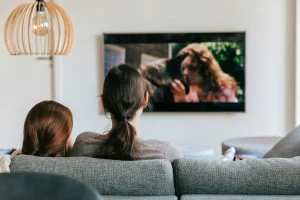
Movies such as tech thrillers, influencer dramas, and stories centered around online communities reflect how deeply digital life is embedded in modern society. Additionally, streaming platforms have transformed viewing habits. Audiences now watch films on multiple devices, leading filmmakers to experiment with pacing, episodic storytelling, and visually engaging content that suits smaller screens.
Wellness Culture and Modern Narratives
Another major lifestyle trend shaping storytelling is the growing focus on wellness. Mental health awareness, mindfulness, and balanced living have become central to many people’s daily routines. As a result, films are increasingly addressing anxiety, burnout, personal growth, and emotional resilience.
Characters today are often portrayed as navigating work-life balance, self-care routines, and holistic health journeys. This mirrors societal conversations around healthier living and emotional well-being. Discussions about lifestyle products, including CBD products, occasionally appear in contemporary narratives as part of broader wellness conversations, highlighting how filmmakers incorporate real-world trends to create relatable settings and characters.
These shifts allow films to explore deeper emotional layers, moving beyond traditional plot-driven storytelling to more introspective, character-focused narratives.
Diversity and Inclusion in Storytelling
Changing social attitudes toward diversity and representation have had a profound impact on film storytelling. Audiences now expect inclusive narratives that reflect a broader spectrum of cultures, identities, and experiences.
This has led to:
Stronger representation of different ethnicities and cultures
More nuanced portrayals of gender and sexuality
Increased focus on marginalized voices and untold stories
Films are no longer limited to a single cultural lens. Instead, global storytelling has gained momentum, with international cinema influencing mainstream productions. This diversity enriches storytelling by introducing fresh perspectives, new conflicts, and authentic cultural contexts.
Environmental Awareness and Sustainability Themes
Sustainability is another lifestyle trend shaping modern storytelling. Climate change, conservation, and eco-conscious living have become significant global concerns. Filmmakers increasingly address these issues through documentaries, science fiction, and even mainstream dramas.
Stories about environmental activism, sustainable living, and humanity’s relationship with nature are becoming more common. These themes resonate with audiences who are increasingly aware of their environmental impact and interested in solutions for a sustainable future.
Beyond narratives, the film industry itself is adapting by promoting eco-friendly production practices, which further influences how stories are told and marketed.
Changing Work and Lifestyle Patterns
The traditional 9-to-5 work model is evolving, with remote work, freelancing, and digital entrepreneurship becoming more common. Films now frequently depict flexible careers, startup culture, gig economy challenges, and unconventional professional paths.
These changes allow storytellers to explore themes like:
Work-life integration rather than separation
Career uncertainty and personal ambition
The pursuit of passion-driven professions
Such narratives resonate strongly with younger audiences who value flexibility, purpose, and personal fulfillment over traditional career structures.
Globalization and Cultural Exchange
Travel, migration, and cultural exchange have increased dramatically in recent decades. As lifestyles become more globalized, films reflect cross-cultural interactions, multicultural identities, and international collaborations.
Stories featuring characters navigating multiple cultures, languages, and traditions are increasingly common. This global perspective broadens narrative possibilities and helps audiences connect with experiences beyond their immediate environment.
Co-productions between countries are also rising, blending storytelling traditions and cinematic styles to create unique film experiences.
Evolving Family and Relationship Dynamics
Modern lifestyles have redefined family structures and relationships. Films today explore single parenthood, blended families, long-distance relationships, and non-traditional partnerships more openly than before.
Romantic storytelling has also evolved. Instead of idealized relationships, contemporary films often portray realistic challenges such as communication barriers, personal growth conflicts, and shifting social expectations. This authenticity resonates with audiences seeking relatable emotional experiences rather than purely escapist narratives.
Technology in Filmmaking Itself
Lifestyle trends don’t just shape stories—they also influence how films are made. Advances in technology have transformed production techniques, visual effects, and distribution models.
Virtual production, artificial intelligence, and advanced CGI enable filmmakers to tell stories that were previously impossible. Meanwhile, audience expectations shaped by high-quality digital content push filmmakers toward more immersive visual experiences.
This technological evolution allows for innovative storytelling formats, including interactive films and cross-platform narratives that blend cinema with gaming and digital media.
Audience Empowerment and Participation
Modern audiences are more engaged than ever before. Social media platforms allow viewers to discuss, critique, and influence film content in real time. Fan communities often shape franchise directions, casting decisions, and marketing strategies.
This participatory culture encourages filmmakers to be more responsive to audience preferences. It also fosters storytelling that invites interpretation, discussion, and emotional investment beyond the screen.
The Future of Lifestyle-Driven Storytelling
As lifestyles continue to evolve, film storytelling will likely become even more dynamic. Emerging trends such as virtual reality experiences, personalized content, and global collaborative storytelling could redefine how stories are created and consumed.
Future films may increasingly reflect:
Hybrid digital-physical lifestyles
Greater mental health awareness
Continued cultural diversity
Sustainability-focused narratives
New forms of social interaction
Ultimately, cinema will keep adapting to mirror the complexities of modern life.
Conclusion
Lifestyle trends play a powerful role in shaping film storytelling. From digital connectivity and wellness awareness to diversity, environmental consciousness, and evolving work patterns, contemporary lifestyles influence both the themes and techniques filmmakers use. By reflecting these changes, cinema remains relevant, relatable, and impactful.
As society continues to transform, film storytelling will evolve alongside it, offering audiences stories that not only entertain but also reflect their realities, aspirations, and challenges. This ongoing dialogue between lifestyle trends and cinematic narratives ensures that film remains one of the most compelling mirrors of modern culture.