

Image: https://unsplash.com/photos/graphical-user-interface-JKfDuqD90pI
If you are reading this, you probably know the feeling.
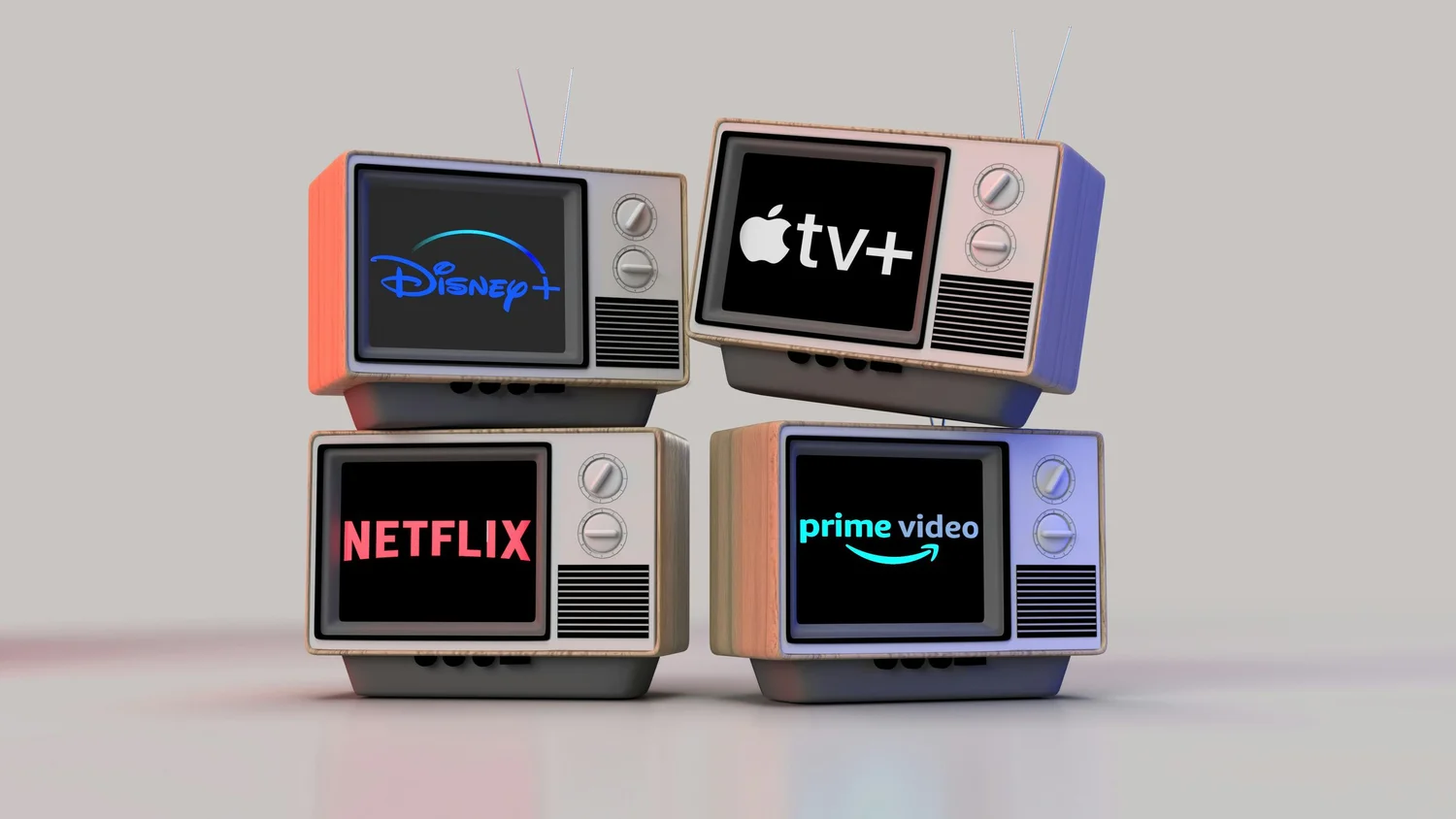
It’s Friday night. You are in the mood for a specific classic, maybe Michael Mann’s The Insider, or perhaps a re-watch of 28 Days Later. You open Netflix. Not there. You check Prime Video. “Rent or Buy.” You check Max. Gone.
We were promised a digital utopia where everything would be at our fingertips. Instead, we got “The Streaming Purge.”
As rights contracts expire and studios fracture into their own walled gardens, the average cinephile is finding it harder, not easier, to watch the films they love. We are paying more money for less access. Cinema has been reduced to “Content”—disposable, rotatable, and algorithmically suppressed.
But in 2026, a quiet revolution is happening among film purists. We are stopping the chase. We are moving to “Super-Hubs.”
The Fragmented Nightmare
The problem with the current landscape isn’t the quality of the films; it’s the impermanence of the library. Netflix focuses on “Originals” that they own forever, quietly removing the back-catalog of 70s, 80s, and 90s cinema that defines our culture.
For a film critic or just a serious fan, this is a disaster. You cannot rely on a service that deletes The Godfather to make room for a reality dating show.
This frustration has driven a massive migration toward independent, comprehensive media lockers. These aren’t just “IPTV services” used to pirate a football game; they are evolving into Digital Cinematheques.
The Rise of the “Forever Library”
Platforms like the Apollo Group TV service have quietly become the go-to secret for industry insiders not just because of the price, but because of the catalog.
Unlike the “Big Three” (Netflix, Disney, Amazon), which operate on a scarcity model, these emerging Super-Hubs operate on an abundance model.
The “Video Store” Experience: Remember walking into Blockbuster and seeing everything? That is what the new VOD (Video On Demand) interfaces feel like. You aren’t fed what the algorithm wants you to watch; you are given access to 130,000+ titles, including the obscure indie films and foreign classics that the major streamers ignore.
Visual Fidelity: With the rollout of 8K-ready servers, the argument that “physical media looks better” is shrinking. We are finally seeing bitrates that respect the cinematographer’s vision.
Preserving the Art Form
There is an ethical argument to be made here. If the major studios refuse to make their older libraries accessible, are they being good stewards of the art form?
When I log into a consolidated hub, I don’t feel like a consumer being milked for subscriptions. I feel like a curator of my own experience. I can jump from a Criterion Collection classic to a 1980s slasher flick without switching apps or inputs.
The Verdict
I will always love the theater experience. Nothing replaces the sticky floors and the smell of popcorn. But for home viewing, the “Subscription Wars” have left the consumer as the loser.
It is time to stop renting access to a rotating carousel of content. It is time to unlock the full library.
If you care about cinema history and actually being able to find it, it might be time to look beyond the Big Three. The future of film watching isn’t about fragmentation; it’s about consolidation.
About the Author: James K. is a freelance film historian and digital media critic based in London. He specializes in the preservation of physical media and the ethics of streaming distribution