
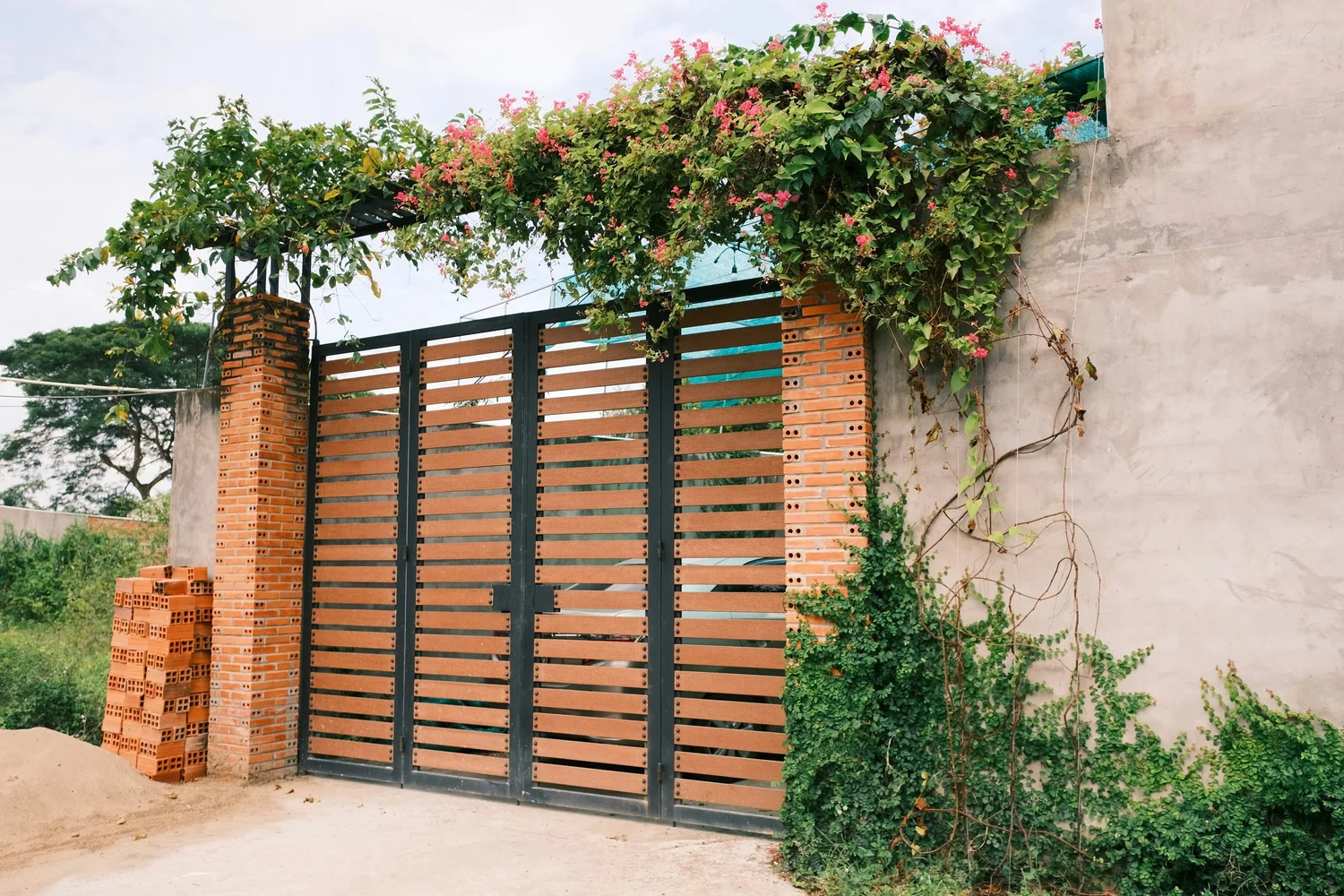

Photo by Trung Nhan Tran on Unsplash
Creating Realistic Driveway Entrances Without Complicating Film Production
A convincing movie set depends on details that audiences rarely think about. The driveway leading to a luxury mansion, the guarded entrance of a private estate, or the imposing gates outside a fictional celebrity’s home can establish the atmosphere before an actor even appears on screen. For production designers, these seemingly ordinary features help tell the story. That’s where automatic swing gates for driveways become particularly interesting. They offer the familiar appearance of a residential entrance while introducing controlled movement that can be coordinated with filming, vehicle arrivals, and carefully timed scenes.
Why Driveway Gates Matter in Film Production
Think about the opening scene of a thriller. A black vehicle approaches a secluded property, pauses briefly, and waits as two large gates slowly swing open. Without a single line of dialogue, the audience understands that the location is private, possibly expensive, and perhaps hiding something worth protecting.
Driveway entrances have this storytelling advantage because they communicate information visually. Traditional wrought iron gates can suggest an established family estate, while sleek aluminium panels might suit a contemporary architectural setting. Automatic movement adds another layer, making the entrance feel functional rather than simply decorative.
For set designers, choosing the right gate is about more than matching the architecture. Its movement, proportions, and position within the camera frame can influence how convincing the entire location appears.
Making Vehicle Arrivals Look Natural on Camera
Vehicle arrival scenes are surprisingly demanding. Actors need to approach at the correct speed, camera operators must capture the movement, and the entrance has to behave consistently across multiple takes.
Manually operated gates can complicate this process. Crew members may need to remain hidden nearby, physically opening the entrance at the right moment. That can interrupt filming or introduce unwanted movement into the shot.
An automated swing gate offers more predictable operation when properly installed and controlled. The production team can coordinate the opening sequence with the vehicle’s approach, allowing the scene to unfold without someone standing beside the entrance.
However, precise timing still requires rehearsal. Gate speed, control response, and vehicle positioning should be tested before filming begins, particularly when the sequence involves moving cars or multiple performers.
Choosing Gates That Fit the Story
Not every fictional property needs an enormous entrance with elaborate metalwork. Sometimes a simple timber-style gate makes a rural farmhouse feel believable, while a tall, solid-panel design helps create the impression of a secluded modern residence.
Production designers often consider how materials appear under different lighting conditions. Reflective metal can create unwanted glare during daytime filming, while intricate patterns may cast interesting shadows in nighttime scenes.
The gate’s opening direction also matters. A pair of leaves swinging inward can create a dramatic reveal of the property beyond, particularly when the camera is positioned outside the entrance.
Even the speed of movement can affect the mood. A slow opening might build suspense, while a straightforward arrival at a suburban home calls for something less theatrical.
Practical Considerations for Temporary Film Sets
Permanent filming locations and temporary outdoor sets present different challenges. An existing residential property may already have automated gates, while a purpose-built set might require a completely new entrance.
Temporary installations need careful planning. The supporting posts must withstand the gate’s weight and operating forces, and the foundations must remain stable throughout filming. Simply attaching motors to decorative panels without checking their construction can create unnecessary risks.
Electrical access is another consideration. Production sites frequently rely on temporary power arrangements, but gate automation still requires a suitable, professionally installed supply. Cables should be protected from vehicles, equipment, and pedestrian traffic.
If the production intends to remove the entrance after filming, designers should also consider how easily the components can be dismantled without damaging reusable materials.
Keeping Cast and Crew Safe Around Moving Gates
Film sets can become crowded environments, particularly during outdoor scenes involving vehicles, lighting equipment, and background performers. Automated gates introduce moving machinery into that environment, so safety cannot be treated as a secondary concern.
The movement area should remain clear of unnecessary personnel, and the production team should establish who is authorised to operate the gates. Appropriate safety sensors, force limitation, emergency stopping arrangements, and manual release procedures should be assessed by qualified professionals.
Scenes involving vehicles passing through an entrance require particular attention. Rather than relying on an automated system to respond perfectly during a take, productions should establish controlled movement plans and rehearse them under supervision.
Where a dramatic gate movement cannot be achieved safely, editing or visual effects may provide a better solution.
Using Automatic Gates Across Different Scenes
One of the more interesting advantages of a well-designed driveway entrance is its versatility. The same gate might appear in an establishing shot, a nighttime security sequence, or a conversation between characters arriving at the property.
Automatic operation can also support continuity. When scenes are filmed from several camera angles, consistent gate movement helps editors match the action between takes.
Of course, the surrounding set dressing can change the impression entirely. Add security cameras, warning signs, and dramatic lighting, and a residential entrance begins to resemble a heavily protected compound. Replace those details with landscaping and warm exterior lights, and the same structure might belong to a welcoming family home.
This flexibility makes driveway gates useful visual elements for productions working with limited locations.
Bringing Realism and Function Together
The most successful film sets rarely depend on one spectacular feature. Instead, they combine believable architecture, carefully selected details, and practical equipment that works without distracting from the production.
Automatic swing gates can contribute to that balance. They provide a recognisable residential feature, support convincing vehicle arrivals, and give filmmakers opportunities to create memorable entrance sequences.
Whether the setting is a luxurious mansion, a suburban driveway, or a mysterious private estate, the right gate can help establish the scene before the story moves indoors. With thoughtful design, professional installation, and appropriate safety planning, an ordinary driveway entrance can become a surprisingly effective part of cinematic storytelling.