
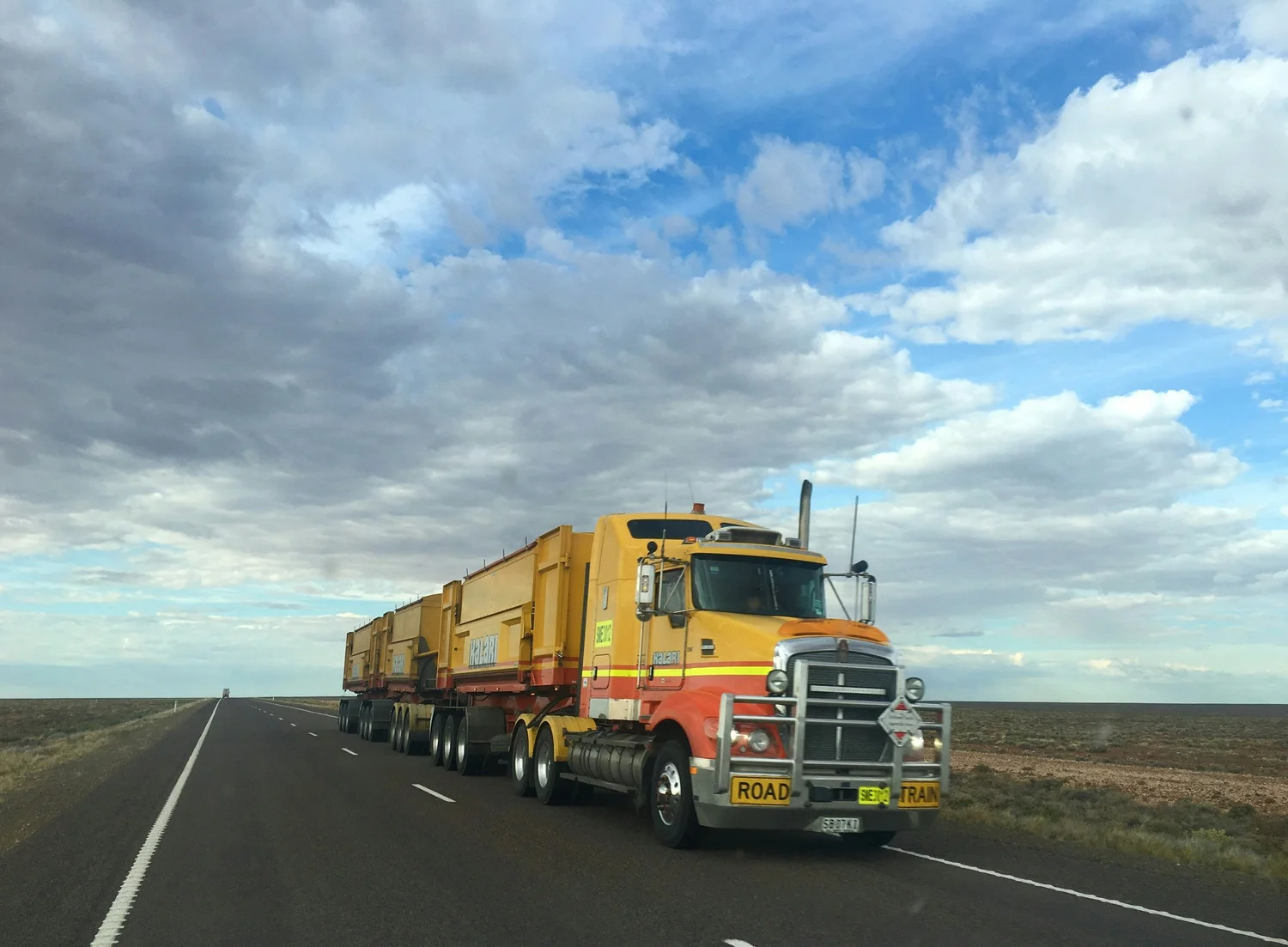

Image: Truck on highway during daytime photo – Free Road Image on Unsplash
Truck collisions can leave people dealing with severe injuries, major financial pressure, and questions about who should be held responsible. While some crashes involve patterns such as jackknife, underride, or override impacts, the larger issue is that wrecks involving commercial trucks usually cause more serious damage, more complicated insurance disputes, and a greater need for early investigation than an ordinary car accident.
Claim evaluation changes early in cases involving those crash patterns. Medical care may involve surgery, extended rehabilitation, and time away from work, while insurers may push for early statements before the full injury picture is documented. A truck accident attorney can help identify if liability reaches beyond the driver to the carrier, maintenance provider, cargo loader, or another party connected to the crash.
Crash Types That Raise the Stakes
Jackknife, underride, and override crashes create different kinds of danger, but all three can leave occupants facing extreme force, major vehicle intrusion, and harder-fought liability disputes. A jackknifed trailer may fold and swing across multiple lanes, striking several vehicles or blocking the roadway in seconds. Underride and override collisions involve a dangerous height mismatch between the commercial truck and the passenger vehicle, which can lead to deeper crush damage and far more serious harm inside the occupant area.
Those crash mechanics often shape the case from the very beginning. Insurers and trucking companies usually examine lane position, impact height, braking distance, point of contact, and crush depth because those details help show how the collision unfolded. Scene photos, tow records, repair documentation, and other early evidence can tie the physical damage to the sequence of events and make it harder for the defense to blur fault. When that proof is organized well, the claim stands on a much stronger factual foundation.
Severe Injuries These Wrecks Commonly Cause
Emergency imaging may show a heavier injury burden after these truck impacts because the force and size mismatch overwhelms restraints and vehicle structure. Jackknife collisions commonly create side-impact trauma or repeated hits, leading to spinal injuries, concussions, and rib fractures that can complicate breathing and mobility. Underride and override collisions more frequently involve direct intrusion into the passenger compartment, which increases the risk of brain trauma, crush injuries, internal bleeding, amputations, or wrongful death.
Early chart notes can miss problems that appear days later, such as worsening headaches, numbness, weakness, dizziness, or new abdominal pain that points to bleeding. Follow-up visits, specialist referrals, therapy notes, and surgical reports help show progression, not just a first diagnosis. Records are stronger when they tie symptoms to function, including work restrictions, lifting limits, sleep disruption, and the need for assistance with basic tasks.
Evidence That Shows What Really Happened
Scene evidence can show if a smaller car went under a trailer, a truck rode up and over, or a trailer swung across lanes. Clear photos should capture impact points, resting positions, pavement marks, debris location, and any underride guard condition before vehicles are moved or cut apart. When available, dash cam footage and nearby surveillance video can confirm lane position, braking, and the truck’s movement just before contact.
Electronic data often fills gaps that eyewitness accounts cannot, including speed, brake application, throttle position, and sudden steering inputs stored in the truck’s event data recorder. Driver logs, dispatch messages, and GPS can show hours-of-service pressure or route timing that lines up with fatigue or rushed driving. Inspection files, maintenance records, and repair histories can tie worn brakes, tire problems, or missed service to a loss of control. Securing these items early usually requires written preservation requests and follow-up on release terms.
Liability Problems That Go Beyond the Driver
Ownership and control can be split between the tractor, the trailer, and the cargo, and the paperwork often shows different names on registration, lease agreements, and insurance cards. A motor carrier may dispatch the load, a separate trailer owner may provide equipment, and a shipper or broker may arrange pickup and delivery terms. When multiple insurers are involved, each one may point to another policy first, so identifying every responsible party early affects both who gets notified and what coverage is actually available.
Company records can change fault analysis in ways the scene cannot show, including hiring files, training documentation, drug and alcohol testing compliance, and prior safety violations. Maintenance and inspection logs matter when brake wear, tire condition, or missed service contributed to loss of control, and cargo records matter when shifting freight or improper securement played a role. Split ownership can create gaps if the tractor is maintained by one entity while the trailer is serviced by another, so the claim needs document requests that match the equipment chain.
Claim Steps That Protect Case Value
Protecting the value of a serious truck collision claim usually requires more than showing that treatment occurred. Medical records are often stronger when they reflect how symptoms change over time, what restrictions doctors impose, how medication affects daily function, and whether the injury interferes with work, sleep, mobility, or basic tasks at home. Missed appointments, delayed follow-up, and long treatment gaps can give insurers room to argue that the condition was less serious than claimed.
Financial documentation also matters once the crash begins affecting income and routine life. Pay stubs, employer statements, medical bills, prescription costs, travel expenses, and invoices for outside help can help show the measurable losses tied to the collision. When that proof is kept organized alongside the medical record, the claim is much better positioned to reflect both the immediate and ongoing impact of the injuries.
Serious truck collision claims often depend on early action, strong medical documentation, and a careful review of every source of liability. In crashes involving jackknife, underride, or override patterns, the physical damage, scene evidence, electronic data, and company records may all play a major role in showing how the wreck happened and who should be held responsible. Treatment records should also stay complete and consistent as recovery develops, especially when injuries affect work, mobility, and daily life. When evidence is organized early, the claim is in a stronger position against insurer pushback and better prepared to reflect the full extent of the harm.