
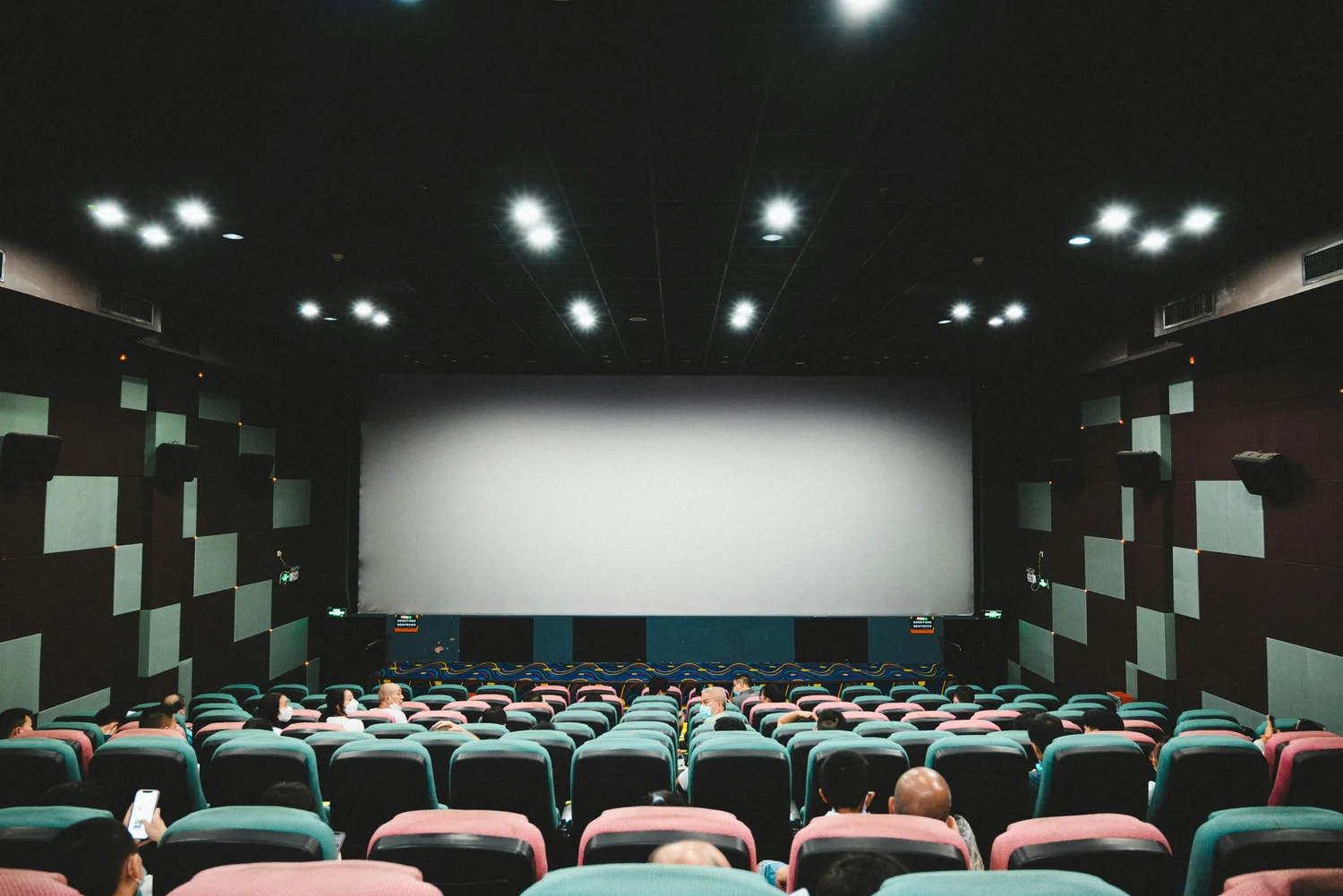

Image: A movie theater with rows of empty seats photo – Free Grey Image on Unsplash
by Nancy Fernandez
The global film industry is not just about storytelling—it’s also a masterclass in marketing. When a major movie launches, studios deploy sophisticated campaigns designed to capture attention, build anticipation, and convert curiosity into ticket sales. These campaigns often involve months of strategic promotion, partnerships, and audience engagement across multiple platforms. For marketers in any industry, studying these film launches can reveal powerful strategies for attracting and retaining customers.
One of the biggest lessons brands can learn from blockbuster releases is how studios approach customer acquisition. Before a film even hits theaters, marketing teams create multiple touchpoints where potential viewers can discover, engage with, and become excited about the movie. Trailers, teaser posters, influencer partnerships, and viral social media challenges all work together to draw new audiences into the ecosystem. Businesses can adopt a similar approach by ensuring prospects encounter their brand across multiple channels before making a purchasing decision.
1. Build Anticipation Long Before the Launch
Successful movie campaigns rarely begin a few weeks before release. Instead, studios start building excitement months—or even years—in advance. The goal is to create a narrative around the film that keeps audiences engaged over time.
For businesses, this strategy translates into early awareness campaigns. Instead of waiting until a product launch to start promoting, brands can gradually introduce their offering through sneak peeks, behind-the-scenes content, or early access previews. This builds curiosity and primes audiences to act when the product finally becomes available.
Practical applications include:
Pre-launch email lists for exclusive updates
Social media countdowns
Early beta access for loyal users
Behind-the-scenes development stories
The longer you nurture anticipation, the more invested your audience becomes.
2. Create Shareable Moments
Movie studios understand the power of virality. Iconic trailers, memorable posters, and surprising promotional stunts often dominate online conversations. These shareable assets expand reach without requiring massive additional advertising spend.
For businesses seeking growth, creating shareable content can dramatically amplify acquisition efforts. Examples include:
Interactive product demos
Entertaining or educational videos
Memes or social trends related to your brand
User-generated content campaigns
When audiences share content voluntarily, your marketing gains organic distribution and credibility.
3. Use Strategic Partnerships
Many blockbuster films collaborate with global brands during their launch campaigns. These partnerships extend the movie’s reach into entirely new audiences. Fast-food chains, fashion brands, toy companies, and technology firms often integrate movie themes into their own products and promotions.
Businesses can apply the same tactic through strategic collaborations. Partnering with complementary brands allows both companies to access each other’s audiences.
Effective partnership strategies include:
Co-branded products
Joint social media campaigns
Influencer collaborations
Affiliate partnerships
The key is to find partners with overlapping audiences but non-competing offerings.
4. Leverage Influencers and Community Leaders
Modern movie campaigns heavily rely on influencers, fan communities, and online personalities. Early screenings for influencers generate excitement and authentic discussions before the official release.
For businesses, influencer marketing can be a powerful acquisition channel when done correctly. Instead of focusing solely on follower counts, brands should prioritize influencers who have strong engagement and credibility within their niche.
Effective tactics include:
Early product reviews from trusted creators
Community ambassadors promoting your brand
Exclusive influencer discount codes
Live-stream product experiences
Authentic recommendations often outperform traditional advertising when attracting new customers.
5. Tell a Compelling Story
Movies succeed because they tell stories that resonate with audiences. Smart marketing campaigns extend that storytelling beyond the film itself. The narrative becomes part of every trailer, interview, and promotional piece.
Businesses can replicate this approach by crafting a clear brand story. Instead of focusing solely on product features, companies should communicate the purpose and vision behind their offering.
Elements of strong brand storytelling include:
The problem your brand aims to solve
The mission driving your business
Customer success stories
Emotional connections with your audience
People connect with stories far more deeply than with technical details.
6. Engage Fans and Build Community
One of the most effective tactics used in movie marketing is community engagement. Studios interact directly with fans through social media discussions, live events, and fan conventions.
Businesses can replicate this by creating spaces where customers feel like part of a community rather than just buyers. Community-driven marketing can significantly improve acquisition because satisfied members naturally recommend the brand.
Ways to foster community include:
Private groups or forums
Loyalty programs
Interactive live sessions
Customer spotlight features
When customers feel valued, they become brand advocates who bring in new users organically.
7. Use Data to Optimize Campaigns
Major film studios continuously analyze campaign performance. They monitor trailer views, social engagement, search trends, and ticket pre-sales to adjust marketing strategies in real time.
Businesses should adopt the same data-driven mindset. Every marketing channel provides insights that can help refine acquisition strategies.
Important metrics to track include:
Cost per acquisition (CPA)
Conversion rates
Engagement rates
Customer lifetime value
Using these insights allows companies to allocate resources more effectively and scale what works.
8. Deliver a Memorable Launch Event
When a blockbuster movie finally premieres, the launch itself becomes a major event. Red carpet premieres, media coverage, and exclusive screenings generate a sense of urgency and excitement.
Businesses can create similar momentum through well-planned product launches. Rather than quietly releasing a product, brands can turn the moment into a celebration.
Ideas include:
Virtual launch events
Limited-time launch offers
Live product demonstrations
Special launch-day bonuses
A strong launch creates buzz that can drive immediate customer interest and sales.
Final Thoughts
Movie studios operate in one of the most competitive entertainment markets in the world. Their success depends not only on the quality of the film but also on their ability to capture attention and attract audiences at scale. By studying these campaigns, businesses can uncover valuable marketing strategies that apply far beyond the film industry.
From building anticipation and creating shareable content to leveraging partnerships and storytelling, the principles behind successful movie launches offer powerful insights for brands aiming to grow. Companies that adopt these tactics can transform their marketing efforts into engaging experiences that consistently attract and convert new audiences.
Ultimately, the biggest lesson from blockbuster campaigns is simple: great marketing is not just about promotion—it’s about creating excitement, building relationships, and giving people a compelling reason to join your brand’s story.