

Image: https://unsplash.com/photos/a-person-sitting-in-a-chair-in-front-of-a-projection-screen-VuN3x0cKC4I
by Nancy Fernandez
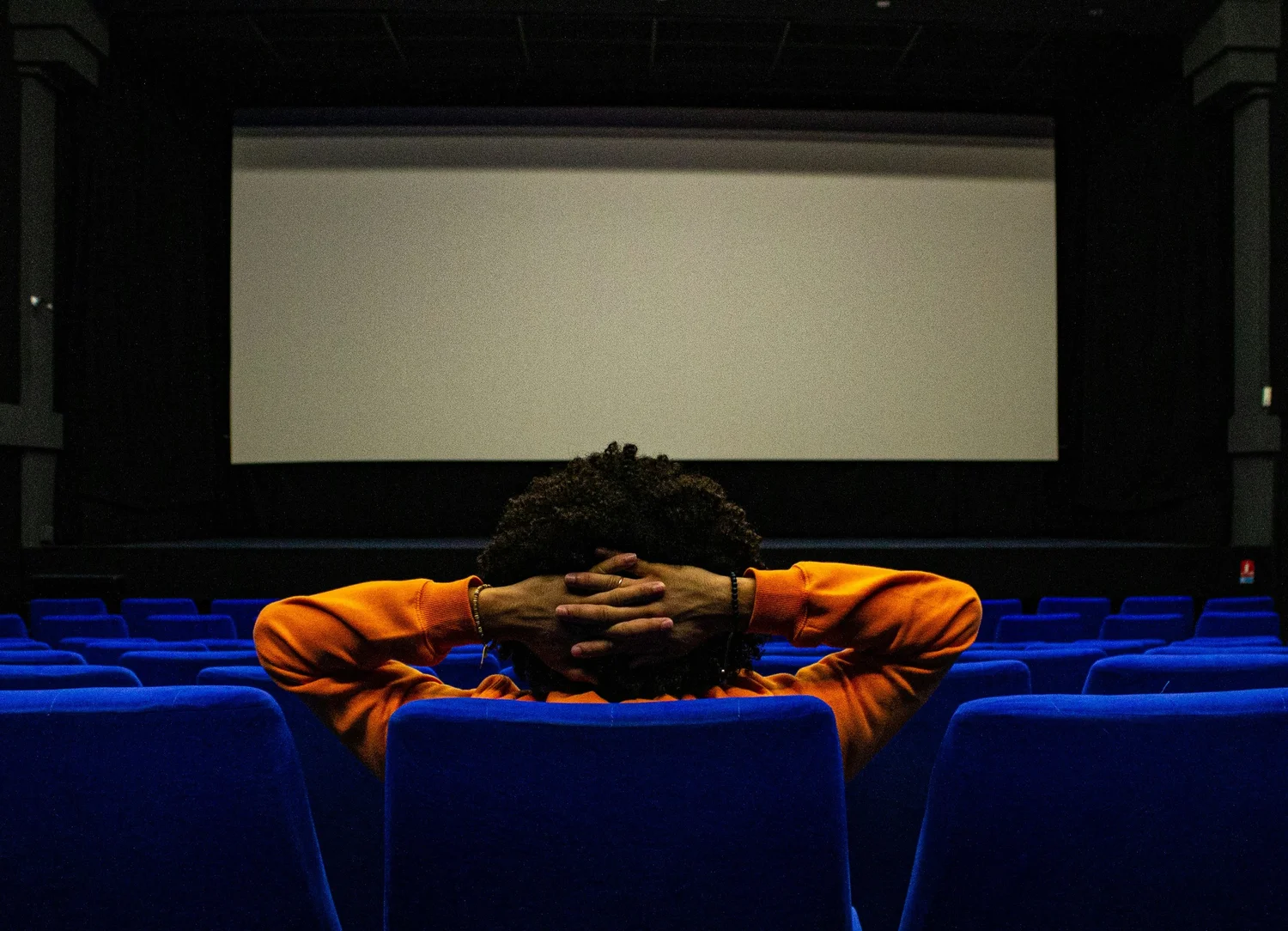
Movie nights have always been a ritual. From drive-in theaters and VHS rentals to streaming marathons and shared watch parties, the way we experience films has constantly evolved with culture and technology. But in recent years, another major shift has quietly reshaped this familiar tradition: the legalization and normalization of cannabis.
As cannabis laws change across regions and conversations around wellness, creativity, and relaxation become more open, movie nights are no longer just about pressing play. They’ve become curated experiences—slower, more intentional, and deeply personal. In many ways, legal cannabis has changed not just what we watch, but how we watch it.
From Passive Viewing to Intentional Experiences
There was a time when movie night meant distraction. A way to unwind without thinking too much. Today, viewers are more selective. They choose films based on mood, theme, and emotional payoff. Whether it’s a comfort rewatch, a visually immersive film, or a thought-provoking indie drama, modern audiences are engaging more consciously.
Legal cannabis has played a role in this shift. Without the stigma that once surrounded it, cannabis is now openly discussed as a tool for relaxation and mindfulness. For some, it slows the pace of the evening, encouraging viewers to sit with a story rather than scroll through their phones or half-watch while multitasking.
This has led to movie nights that feel more like rituals than routines—carefully chosen films, intentional environments, and a desire to actually experience the story unfolding on screen.
The Rise of the “Curated Chill” Movie Night
With legalization has come experimentation—not just with strains or formats, but with entire viewing experiences. Movie nights are now themed, planned, and often designed to complement a specific vibe.
A surreal sci-fi film might call for dim lighting and minimal distractions. A nostalgic comedy may pair well with familiar snacks and a relaxed atmosphere. Visually rich movies—those that lean heavily on sound design, cinematography, or slow pacing—are increasingly popular choices for viewers who want to feel immersed.
This trend mirrors a broader cultural movement toward intentional downtime. Instead of consuming content endlessly, people are seeking depth, presence, and quality. Cannabis, for many, simply becomes part of that environment—one element among many that encourages stillness and focus.
Home Spaces Are Becoming Personal Theaters
Legal access has also shifted where movie nights happen. As home setups improve and cannabis use becomes normalized indoors, the living room has turned into a personal theater.
High-quality sound systems, ambient lighting, comfortable seating, and distraction-free zones are now common features of the modern movie night. The goal isn’t volume or spectacle—it’s atmosphere. People want to feel something, whether that’s emotional resonance, visual wonder, or a sense of calm after a long day.
Interestingly, this has also influenced film choices. Slower films, character-driven stories, and visually expressive cinema are enjoying renewed appreciation. These are movies that reward attention, patience, and emotional openness.
Cannabis Culture and the Long View
As cannabis becomes a lifestyle choice rather than a taboo, people are also becoming more interested in where it comes from and how it fits into their lives long-term. Discussions now extend beyond consumption to cultivation, sustainability, and personal preference.
This curiosity shows up in unexpected places—like conversations sparked during movie nights. Films about growth, transformation, or personal journeys often lead viewers to reflect on their own habits and interests. It’s not unusual for these moments to open broader discussions around wellness, hobbies, or even home cultivation, including curiosity around options such as cannabis clones for sale for those interested in understanding the plant from the ground up.
In this way, movie nights become catalysts for reflection, not just entertainment.
A New Relationship With Film Genres
Legal cannabis has also softened rigid genre preferences. Viewers are more willing to explore films they might have previously skipped—foreign films, experimental cinema, slow-burn dramas, or abstract animation.
Cannabis doesn’t create interest in these films, but it can lower the barrier to entry. Viewers may feel more open to ambiguity, symbolism, or unconventional storytelling. This has helped reframe how people define a “good movie.” It’s no longer just about plot efficiency or fast pacing; it’s about how a film feels.
As a result, movie nights have become spaces for exploration rather than consumption—places where curiosity is welcomed and judgment is suspended.
Social Movie Nights Are Changing Too
The social aspect of movie nights has evolved alongside legalization. Small gatherings now feel more relaxed and less performative. Instead of talking over films or using them as background noise, groups often choose movies as shared experiences.
Post-movie discussions are deeper. People talk about themes, visuals, emotional reactions, and personal interpretations. Cannabis, when part of the evening, often slows the conversation and encourages listening rather than debating. The result is a more thoughtful, communal experience that feels closer to storytelling traditions than modern media habits.
The Future of Movie Nights
As legal cannabis continues to integrate into everyday life, movie nights will likely keep evolving. We may see more intentional film curation, more emphasis on atmosphere, and a continued shift toward mindful entertainment.
What remains constant is the desire to connect—with stories, with others, and with ourselves. Movies have always offered that opportunity. Cannabis, for some, simply changes the pace at which that connection happens.
In the end, the evolution of movie nights isn’t really about cannabis or technology. It’s about presence. It’s about reclaiming a few hours, dimming the lights, and letting a story unfold without rushing it. And in a world that rarely slows down, that may be the most meaningful change of all.