
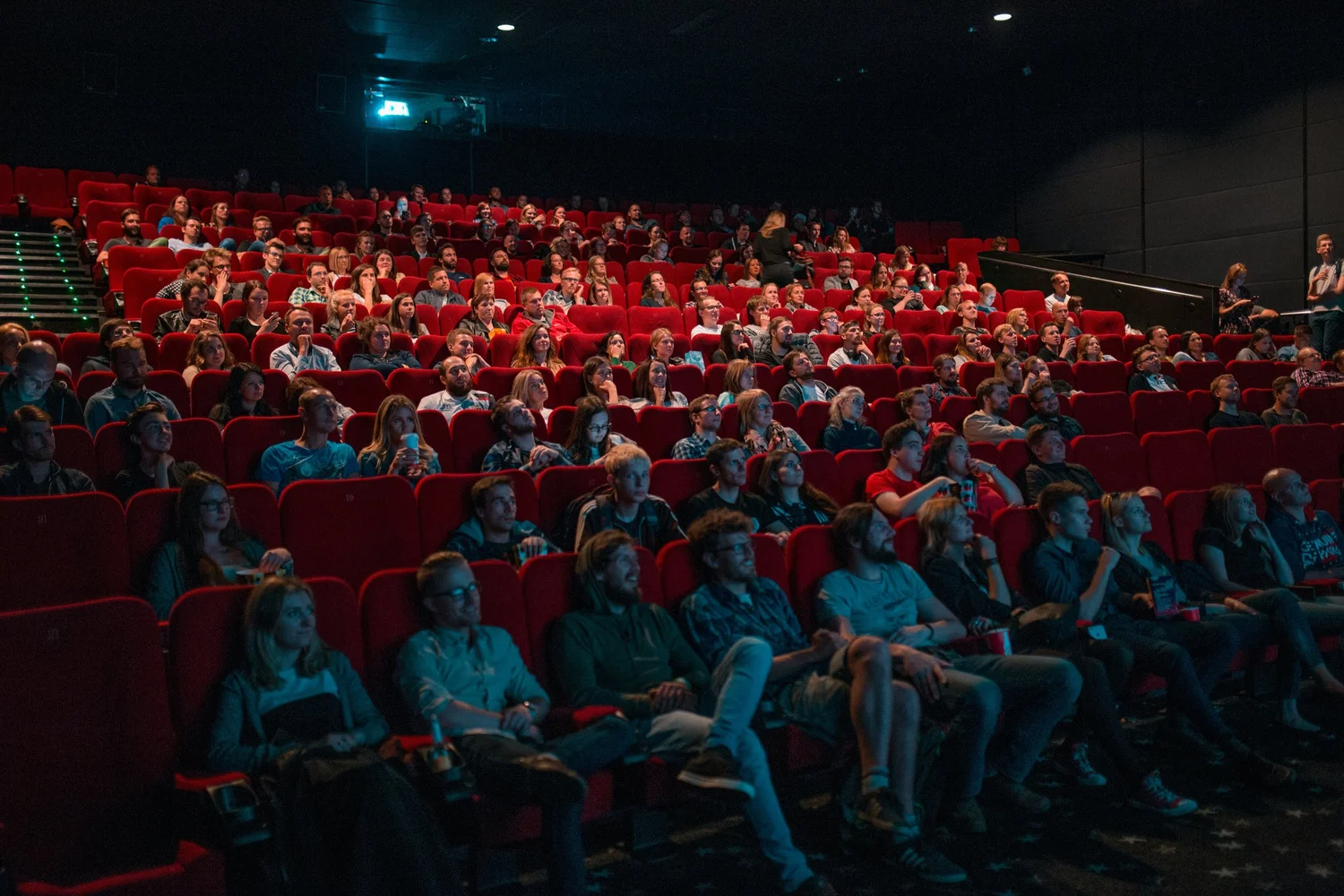

Image: https://unsplash.com/photos/person-watching-movie-AtPWnYNDJnM
by Nancy Fernandez
Cinema has always reflected society’s evolving values, curiosities, and contradictions—and few cultural elements illustrate this better than cannabis. Once relegated to cautionary propaganda films and whispered subtext, cannabis has gradually moved into the spotlight, shaping genres, character archetypes, storytelling styles, and even the way audiences experience movies. From underground cult classics to mainstream blockbusters, the relationship between reefer and reel has become an unmistakable part of modern movie culture.
From Taboo to Talking Point
Early depictions of cannabis in film were steeped in fear and misinformation. Mid-20th-century movies often portrayed marijuana as a dangerous gateway to moral decay, violence, and insanity. These exaggerated narratives mirrored public anxieties rather than real experiences, reinforcing stigma rather than understanding.
As countercultural movements gained momentum in the 1960s and 1970s, filmmakers began pushing back. Cannabis slowly transformed from a symbol of menace into one of rebellion, freedom, and nonconformity. Independent filmmakers and experimental directors used it as shorthand for rejecting authority and embracing alternative lifestyles. This shift laid the groundwork for cannabis to become a recurring—and increasingly normalized—element in film.
The Rise of the Stoner Film
The stoner comedy is perhaps the most recognizable cannabis-driven genre. Movies centered around laid-back protagonists, absurd situations, and heightened sensory humor resonated with audiences who appreciated humor that felt loose, improvisational, and irreverent.
These films didn’t just rely on cannabis as a prop; they used it to shape pacing, dialogue, and tone. Meandering conversations, exaggerated reactions, and surreal plot turns mirrored the altered perception often associated with being high. Over time, stoner films developed a loyal fan base, turning modest box office releases into enduring cult classics that continue to influence comedy writing today.
Cannabis as a Cultural Lens
Modern cinema often uses cannabis as a way to explore broader social themes rather than just for laughs. Characters who consume cannabis are no longer limited to stereotypes. They can be professionals, creatives, parents, or introspective loners, reflecting the diversity of real-world users.
In contemporary storytelling, cannabis frequently serves as a narrative device that encourages honesty and vulnerability. Scenes involving shared smoking moments often lead to emotional breakthroughs, philosophical conversations, or shifts in relationships. Filmmakers use these moments to slow the story down, allowing characters—and viewers—to reflect.
Around the upper middle of this cultural shift, cannabis has also intersected with changing real-world perceptions of legality and commerce. As discussions around cultivation, access, and normalization grow, references to topics like cannabis clones for sale appear more often in dialogue, background details, or character motivations. These subtle inclusions signal how deeply cannabis culture has moved from the fringes into everyday life, influencing not just behavior but storytelling authenticity.
Aesthetic and Sensory Influence
Cannabis doesn’t only affect characters—it influences how movies look and feel. Many filmmakers experiment with lighting, color grading, sound design, and editing styles to mimic altered perception. Dreamlike visuals, saturated colors, slow-motion sequences, and immersive soundscapes are often associated with cannabis-influenced scenes.
This sensory approach has been embraced by both indie filmmakers and major studios. Music-driven montages, animated interludes, and nonlinear storytelling techniques allow audiences to “feel” a scene rather than simply watch it. Cannabis, in this sense, becomes a creative inspiration rather than just a narrative element.
Shaping Audience Experience
Cannabis has also changed how people engage with movies outside the theater. For many viewers, it’s part of the ritual of movie night—alongside snacks, streaming platforms, and comfortable settings. This has influenced the popularity of certain genres, especially visually rich films, comedies, and slow-burn narratives that reward attention to detail.
Streaming services have taken note. Algorithms now promote content that aligns with relaxed, immersive viewing experiences. While cannabis isn’t always explicitly mentioned, the tone and structure of many modern films and series cater to audiences seeking comfort, escapism, and heightened sensory enjoyment.
Breaking Stereotypes and Expanding Narratives
One of the most significant shifts in modern movie culture is the dismantling of the “stoner stereotype.” Today’s films increasingly portray cannabis users as multidimensional individuals with ambitions, flaws, and emotional depth. This evolution mirrors broader cultural acceptance and challenges outdated assumptions.
Dramas and coming-of-age stories, in particular, use cannabis as a backdrop rather than a punchline. It becomes part of the environment—no more sensational than coffee or alcohol—allowing filmmakers to focus on character development rather than shock value.
Influence on Independent Cinema
Independent filmmakers have been especially instrumental in redefining cannabis on screen. Free from studio constraints, they explore nuanced stories where cannabis intersects with creativity, mental health, identity, and community. These films often prioritize authenticity over exaggeration, resonating with audiences tired of caricatures.
Film festivals have become important spaces for these stories, helping normalize cannabis narratives within respected artistic circles. As a result, themes once considered niche are now influencing mainstream storytelling.
The Future of Cannabis in Film
As global attitudes continue to evolve, cannabis will likely play an even more complex role in cinema. Future films may explore its economic impact, ethical debates, and cultural significance with greater depth. Rather than centering on consumption itself, stories will likely focus on the human experiences surrounding it—connection, creativity, conflict, and change.
Technological advances in filmmaking will also amplify cannabis-influenced aesthetics, offering more immersive and experimental viewing experiences. Virtual reality, interactive storytelling, and advanced sound design may further blur the line between perception and narrative.
Conclusion
From its early days as a symbol of fear to its current status as a multifaceted cultural element, cannabis has profoundly shaped modern movie culture. It has influenced genres, aesthetics, character development, and audience engagement in ways that extend far beyond the screen.
“Reefer to reel” is no longer a novelty—it’s a reflection of how cinema adapts to social change. As filmmakers continue to explore cannabis with nuance and creativity, its role in storytelling will remain a fascinating lens through which we understand both movies and ourselves.