

Image: https://unsplash.com/photos/white-and-blue-solar-panels-hxUcl0nUsIY
Modern homes and businesses are evolving rapidly as energy efficiency, sustainability and responsible consumption become central priorities. From electrical upgrades and renewable energy storage to material reuse and recycling, the decisions made today can significantly influence long-term costs, environmental impact and resilience. By combining professional expertise with forward-thinking solutions, property owners can build spaces that are both practical and future-ready.
The importance of professional electrical services
Reliable electrical systems are the backbone of any property. Whether upgrading a domestic installation, maintaining commercial systems or preparing a building for renewable technologies, working with a qualified berkshire electrician ensures that all work is carried out safely, efficiently and in line with current regulations.
Professional electricians play a critical role in diagnosing faults, improving energy efficiency and future-proofing electrical infrastructure. From consumer unit upgrades to EV charging points and smart home integrations, modern electrical work goes far beyond basic wiring. For homeowners and businesses alike, investing in skilled electrical services reduces the risk of downtime, improves safety and supports the seamless integration of new technologies.
Energy independence through battery storage
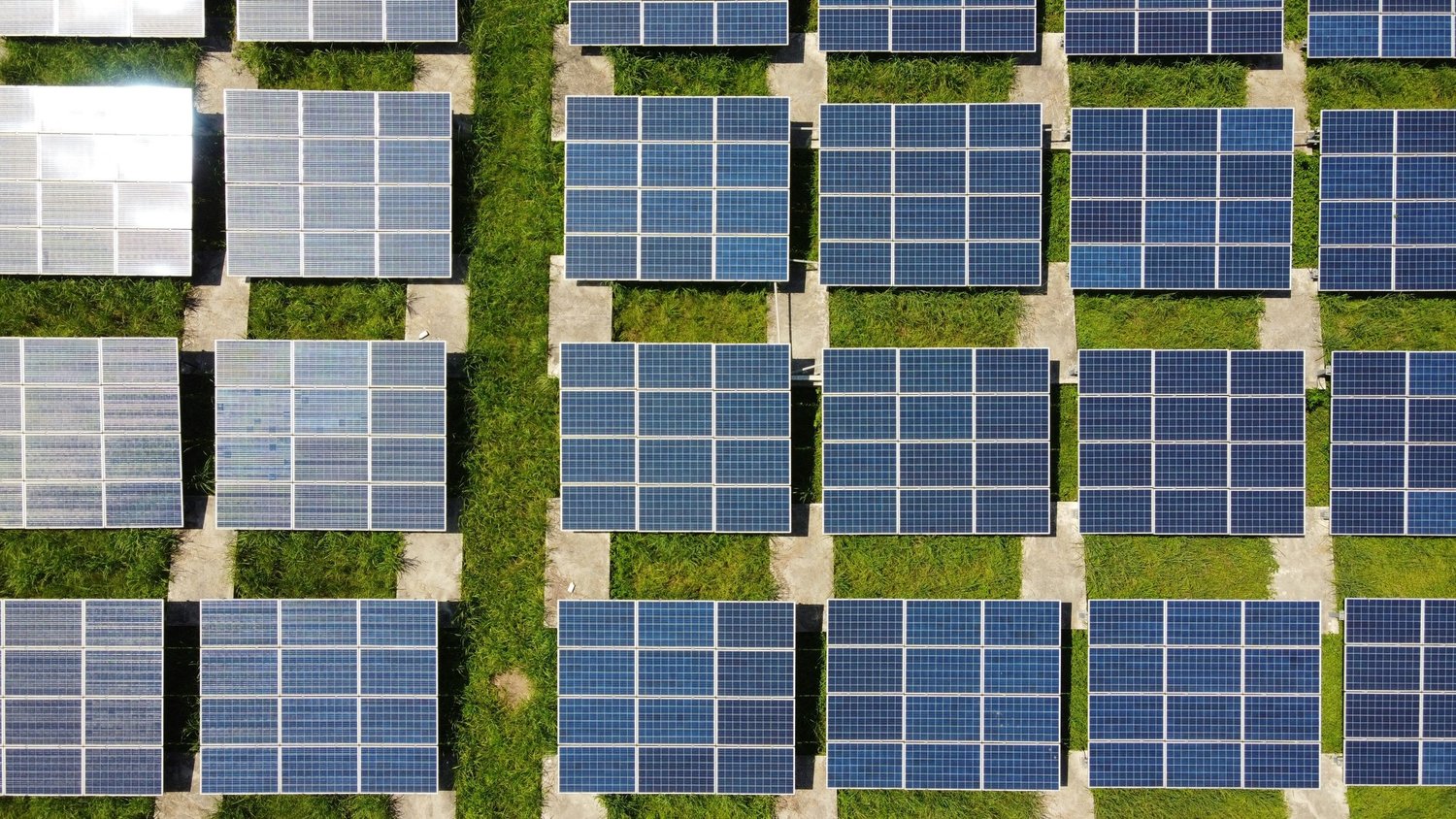
As renewable energy adoption increases, energy storage has become an essential consideration. Solar panels generate electricity during daylight hours, but without storage, excess energy is often exported back to the grid. Solutions such as Tesla powerwall installation allow property owners to store surplus energy for use when demand is higher or when generation is low.
Battery storage systems provide greater control over energy usage, helping households and businesses reduce reliance on grid electricity and protect against rising energy costs. In the event of power outages, stored energy can also provide backup power, improving resilience. When combined with renewable generation and professional electrical installation, battery systems represent a major step towards energy independence and long-term sustainability.
Materials, packaging and environmental responsibility
While energy infrastructure plays a major role in sustainability, material choices and waste management are equally important. Packaging waste, particularly plastics, remains a global challenge. Pet bottles, widely used for beverages and household products, are a prime example of materials that can either contribute to environmental harm or become part of a circular economy.
PET (polyethylene terephthalate) bottles are lightweight, durable and highly recyclable. When collected and processed correctly, they can be transformed into new packaging, textiles or industrial materials. Encouraging proper recycling and supporting responsible manufacturing practices helps reduce landfill waste, conserve resources and lower carbon emissions associated with new plastic production.
Connecting energy use and consumption habits
Sustainability is most effective when approached holistically. Energy efficiency measures, renewable technologies and responsible material use all work together to reduce environmental impact. For example, a home that generates and stores its own electricity while actively recycling household waste significantly lowers its overall footprint.
Businesses, too, are increasingly recognising the value of aligning energy strategies with sustainability commitments. Installing energy storage systems, maintaining efficient electrical infrastructure and adopting recyclable packaging materials can support corporate social responsibility goals while also delivering cost savings and reputational benefits.
Long-term value for property owners
Investments in professional electrical services, energy storage and sustainable materials are not just environmentally responsible; they also make financial sense over time. Efficient electrical systems reduce maintenance issues and improve safety. Battery storage helps manage energy costs and protects against future price volatility. Recycling initiatives reduce waste disposal costs and support compliance with environmental regulations.
For property owners, these improvements can enhance asset value and appeal. Buyers and tenants increasingly favour buildings that demonstrate energy efficiency, resilience and sustainability. Forward-thinking upgrades therefore position properties more competitively in a changing market.
Supporting a more sustainable future
Transitioning to a low-carbon, resource-efficient future requires action at every level, from individual households to large organisations. Skilled professionals, innovative technologies and responsible material management all play vital roles in this process. By making informed choices and working with trusted experts, property owners can contribute meaningfully to broader environmental goals.
Electrical infrastructure that supports renewable energy, battery storage that maximises efficiency, and recyclable materials that reduce waste together form the foundations of sustainable living and working environments.
Looking ahead
As technology continues to advance and sustainability expectations grow, the integration of smart energy solutions and responsible consumption will become increasingly important. Whether upgrading electrical systems, investing in energy storage or supporting recycling initiatives, each step contributes to a more resilient and environmentally conscious future.
By embracing these changes today, homeowners and businesses can reduce costs, improve reliability and play an active role in shaping a more sustainable world for generations to come.