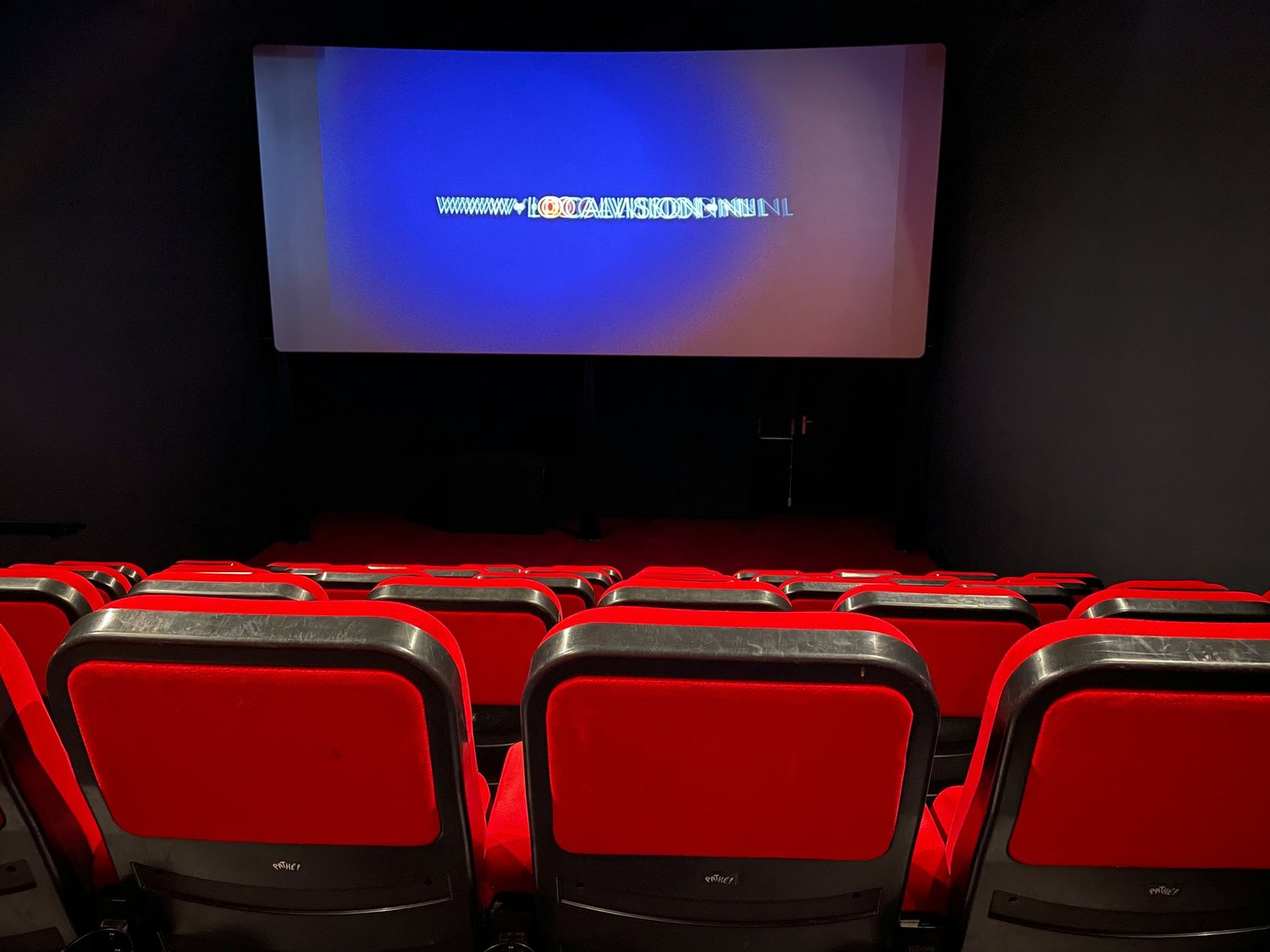

Image: A theater with red seats and a projector screen photo – Free Movie Image on Unsplash
by Nancy Fernandez
The film industry has always evolved alongside technology. From the transition to sound and color to the rise of streaming platforms, innovation continues to reshape how movies are created, marketed, and consumed. Today, artificial intelligence (AI) is one of the most powerful tools transforming the entertainment landscape. Movie studios are increasingly using AI to understand audience behavior, optimize marketing campaigns, and craft content that resonates with viewers across the globe.
One area where AI is making a strong impact is audience engagement and data collection. Studios no longer rely solely on traditional surveys or ticket sales data to understand viewers. Instead, they use advanced tools—such as predictive analytics platforms and an AI lead generation form builder like those offered by brands such as Weavely—to capture valuable audience insights before and after a film’s release. These tools can dynamically adapt forms, quizzes, and interactive content to gather detailed preferences from fans, helping studios refine their promotional strategies and personalize communication with potential moviegoers.
Predicting Audience Preferences with Data
One of the biggest advantages AI brings to movie studios is the ability to analyze vast amounts of data quickly. Streaming platforms, social media channels, ticketing systems, and marketing campaigns generate millions of data points every day. AI systems can process this information to identify patterns in audience behavior.
For example, AI models can analyze:
Viewing history from streaming platforms
Social media engagement with trailers or actors
Demographic data such as age, region, and interests
Historical box office performance of similar films
By combining these data sources, studios can predict how different audiences might respond to a new movie. This helps decision-makers determine everything from release dates and promotional strategies to which markets should receive heavier advertising investment.
AI-Powered Trailer Optimization
Trailers are often the first impression audiences get of a movie. Studios are increasingly using AI to optimize trailers for maximum engagement.
AI tools analyze previous trailers and audience reactions to determine which elements drive the most interest. These elements can include:
The pace of cuts and transitions
Music choices and emotional tone
Length of action sequences
Screen time for popular actors
Some studios even use machine learning to test multiple versions of a trailer with small audience segments online. The AI system then measures engagement metrics such as watch time, shares, and click-through rates to identify the most effective version.
This approach ensures that the final trailer released to the public is the one most likely to capture attention and encourage viewers to watch the film.
Personalizing Marketing Campaigns
AI also allows studios to create highly personalized marketing campaigns. Instead of delivering the same message to every viewer, AI systems tailor promotional content based on individual preferences.
For example, someone who frequently watches action movies may receive ads emphasizing the film’s high-energy scenes. Another viewer who prefers romance might see marketing that highlights emotional storylines or relationships between characters.
This level of personalization can occur across multiple channels, including:
Email marketing
Social media ads
Streaming platform recommendations
Interactive promotional websites
By delivering content that aligns with viewer interests, studios significantly increase the chances of attracting audiences to theaters or streaming platforms.
Social Listening and Trend Analysis
Social media plays a major role in shaping movie success today. AI-powered social listening tools help studios monitor online conversations about films, actors, and genres.
These tools can track millions of posts across platforms such as:
X (formerly Twitter)
TikTok
YouTube comments
AI algorithms analyze sentiment—whether discussions are positive, negative, or neutral—and identify emerging trends. If audiences react strongly to a particular character or scene in early promotional material, studios can amplify that element in future marketing campaigns.
Additionally, social listening helps studios quickly respond to criticism or controversies before they escalate into larger public relations issues.
Improving Script Development
AI isn’t only used for marketing; it can also assist during the creative process. Some studios use AI tools to evaluate scripts by analyzing story structure, pacing, character development, and genre elements.
These systems compare new scripts with thousands of existing movies and identify patterns associated with successful films. For example, the AI might highlight whether a script follows pacing patterns common in blockbuster action movies or emotional arcs typical of successful dramas.
While AI does not replace human creativity, it can provide valuable insights that help writers and producers refine their stories before production begins.
Audience Testing with AI Simulations
Traditional audience testing involves screening early versions of a film for a limited group of viewers and collecting feedback. AI expands this process by simulating audience reactions at a much larger scale.
Some AI models can predict how different demographics might respond to specific scenes or plot developments. These simulations allow studios to experiment with alternative edits or endings without organizing multiple physical test screenings.
This approach saves time and resources while helping studios make data-driven creative decisions.
Enhancing Distribution Strategies
Another area where AI plays a major role is film distribution. Studios must decide where and when to release a movie to maximize revenue and viewership.
AI systems analyze factors such as:
Regional movie preferences
Competing releases
Seasonal viewing trends
Historical box office data
Based on this information, AI can recommend optimal release schedules and distribution channels. For instance, a family-friendly film might perform better during school holidays, while a thriller could gain traction during specific seasonal periods.
These insights help studios strategically plan theatrical releases, streaming launches, and international rollouts.
The Future of AI in Film Marketing
The role of AI in the movie industry will only continue to grow. As technology becomes more advanced, studios will gain even deeper insights into audience preferences and behavior.
Future developments may include:
AI-generated promotional content tailored to individual viewers
Real-time marketing adjustments based on audience reactions
Advanced predictive models for box office performance
Interactive movie experiences powered by AI personalization
At the same time, studios will need to balance data-driven strategies with creative storytelling. Movies succeed not only because they match audience trends but also because they surprise viewers with original ideas and emotional depth.
Conclusion
Artificial intelligence is reshaping how movie studios understand and engage with audiences. From analyzing viewer data and optimizing trailers to personalizing marketing campaigns and improving distribution strategies, AI provides powerful tools that help studios capture audience interest more effectively than ever before.
By combining advanced technology with creative storytelling, the film industry is entering a new era where data and imagination work hand in hand. As tools like intelligent analytics platforms and engagement technologies—including solutions from companies such as Weavely—continue to evolve, studios will be better equipped to deliver cinematic experiences that truly resonate with audiences worldwide.