
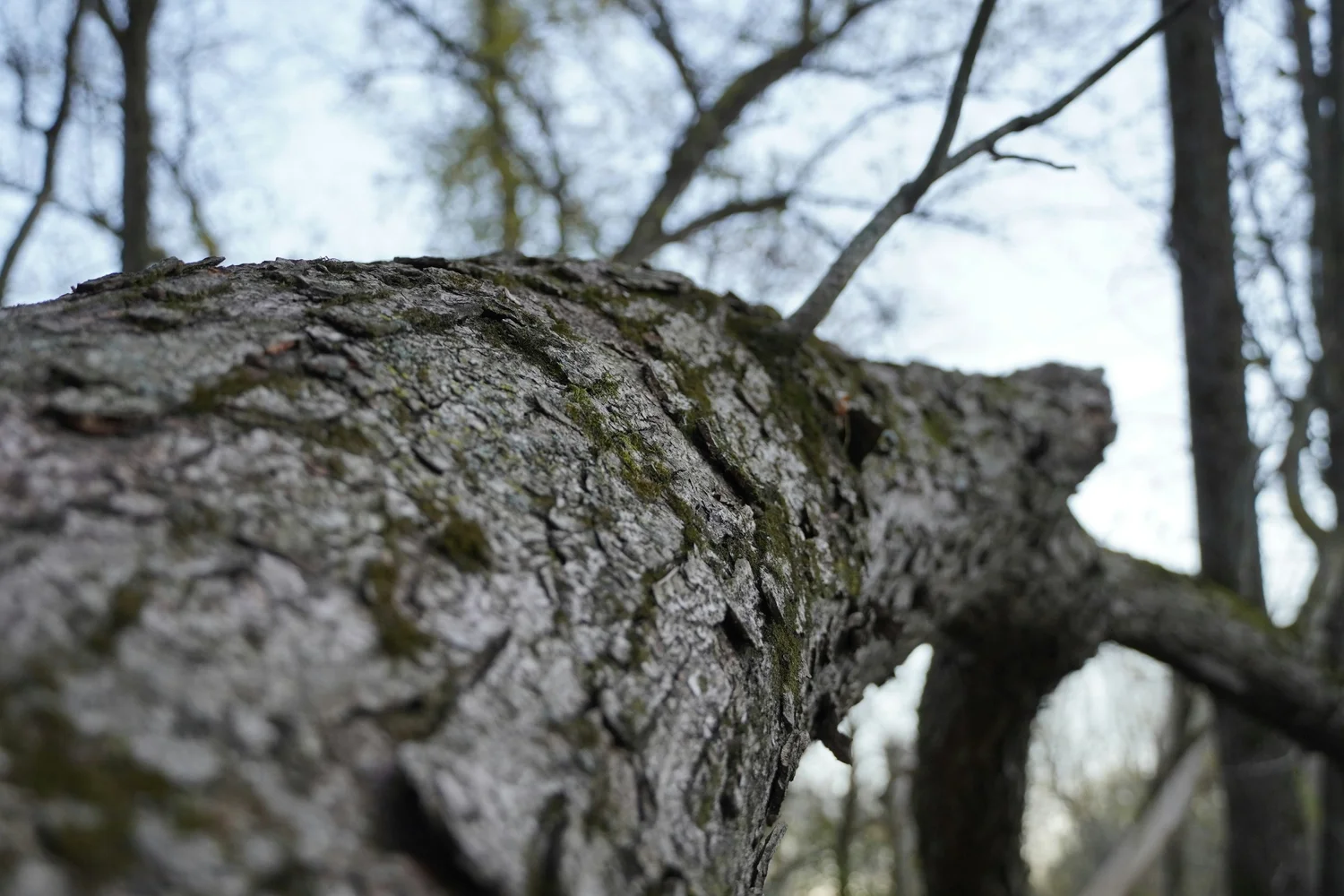

Image: https://unsplash.com/photos/a-close-up-of-a-tree-trunk-in-a-forest-175flK6OT-w
An appraiser pauses at the curb, head tilted toward a maple with split limbs and exposed roots. In Seattle, property valuations now factor tree health and visible maintenance into condition ratings, so what happens beneath the canopy matters as much as house paint and gutters.
Homeowners who keep records of pruning, pest treatments, and arborist visits make appraisals more straightforward and cut down on back-and-forth with agents and lenders. Start with dated photos and service slips, schedule major pruning a few weeks before inspections, and keep a simple maintenance log to show steady care. Noting tree locations relative to foundations, driveways, and power lines helps clarify safety concerns and expected upkeep. A little preparation makes the evaluation smoother at closing.
How Appraisers Factor Tree Condition Into Valuations
Seattle appraisers now use specific scoring points tied to tree structure, placement, and visible care. During site review, they measure canopy spread relative to nearby roofs, note clearance from power lines, and record signs of pruning quality. Exposed roots near foundations or cracked pavement often trigger risk comments. Each item links directly to a condition category that influences the final property rating.
Appraisers compare visible upkeep with the overall condition of trees on the property. Regular maintenance performed by a reputable tree service Seattle company will show consistent care that reduces visible risks like dead limbs or overextended branches. When trees appear healthy and well managed, lenders view the property as lower-risk and easier to maintain long term.
Why Healthy Trees Add Tangible Property Value
Healthy trees increase curb appeal and protect nearby structures. Strong root systems prevent cracking in sidewalks and driveways, while even canopy growth shades roofs and windows, reducing long-term wear. Visible pruning cuts and trimmed limbs show steady care, signaling to appraisers that upkeep is consistent rather than reactive. Balanced, clean crowns indicate stable condition.
Regular service from an ISA-certified arborist adds measurable value. Reports detailing structural trimming, pest treatments, and soil amendments give evaluators clear evidence of reliable care. Properties with organized documentation and technician notes appear safer for lenders and buyers across Seattle’s varied urban environments.
Building Documentation That Strengthens Your Appraisal
A clear care record gives evaluators verified information instead of guesswork. Detailed logs with dates for trimming, soil treatments, and pest work establish a reliable baseline; signed service slips and short technician notes strengthen credibility. Certified arborist reports outlining treatment plans and expected outcomes provide measurable proof of property management, anchoring each appraisal in documented evidence.
Dated before-and-after photos create a visual history of hazard repairs that support written records. Upload organized files for review before inspection to minimize follow-ups and keep the evaluation focused on safety, consistency, and steady care from season to season.
Preparing Your Property at the Right Time
Scheduling maintenance by season helps trees recover before inspections and prevents rushed cleanup that looks like neglect. Plan major pruning six to eight weeks ahead of appraisal dates so cuts seal and foliage fills in naturally. Complete stump removals, limb hauling, and surface cleanup early to present a clear, even-grade yard with no debris or exposed roots.
Apply soil nutrients and pest treatments several weeks in advance for visible recovery and improved canopy color. Inspect cabling and bracing hardware for wear and tighten exposed fittings. Confirm all service dates with an ISA-certified arborist so records, photos, and visit timing align with appraisal schedules and show steady year-round care.
Partnering With Certified Arborists for Long-Term Credibility
ISA-certified arborist reports lend clear credibility during appraisals and showings. Their assessments set a recognized standard of care and are more useful when the arborist knows Seattle soil, pests and permit rules. Request brief summaries detailing structural pruning, soil improvements and pest treatments so appraisers can map specific work to condition ratings.
A standing service agreement keeps dated invoices, technician notes, and annual summaries together, simplifying requests from agents or lenders. Regular contracts encourage timely follow-ups and build a consistent paper trail showing ongoing upkeep. Keep concise written outcomes and photos after major work so you can present a single packet to an evaluator or upload files before inspection.
Seattle appraisers now record canopy shape, root exposure, and pruning quality as measurable indicators of property condition. Homeowners who keep dated photos, service slips, and brief arborist summaries provide inspectors with clear proof of continuous care. Scheduling pruning, pest treatments, and soil work several weeks before valuation helps trees recover and appear stable. Organizing documentation by tree location allows faster reference during appraisal and prevents confusion about maintenance history. Healthy, well-documented trees minimize liability risks, improve condition ratings, and demonstrate visible evidence of responsible upkeep that buyers, lenders, and insurers interpret as a sign of long-term property reliability.